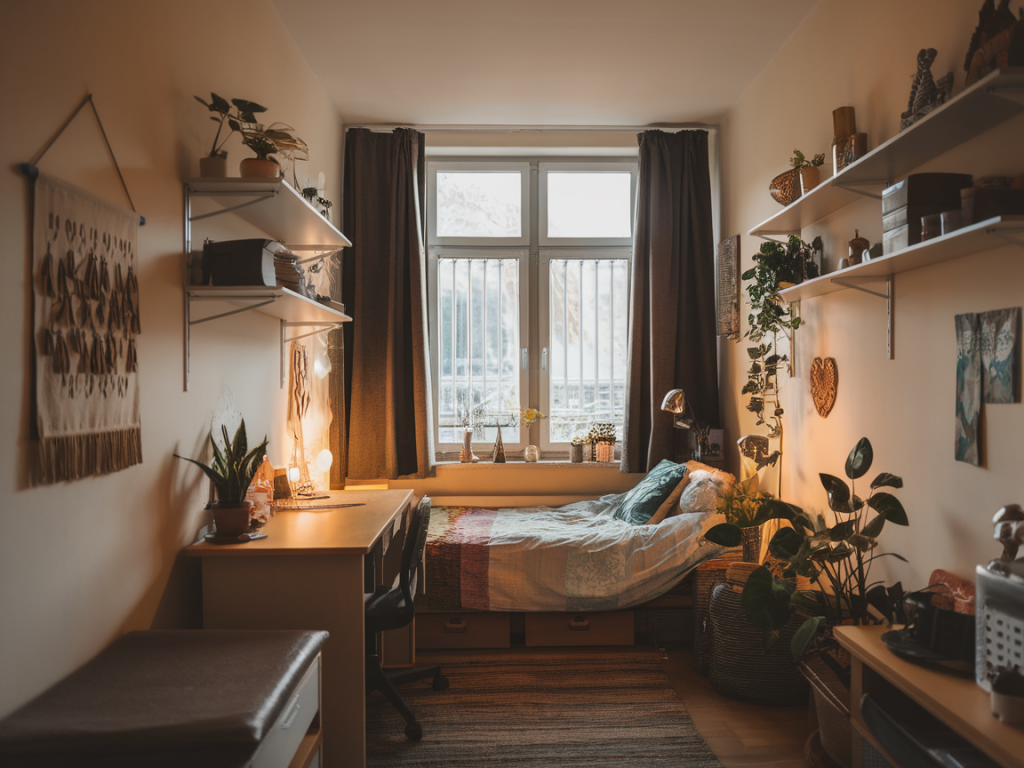
I used to blame my restless nights on a noisy neighbour, a bad mattress, or simply "one of those weeks." Only after I started tracking the air in my tiny London flat did I realise the sneaky culprit: indoor humidity. Humidity doesn’t shout. It creeps into your sleep in subtle ways—through a stuffy throat, night sweats, or the clingy feeling that makes it hard to drift off. Once I learned what to look for and tried a few small, affordable fixes, my sleep improved in ways I didn’t expect. Here’s what I’ve learned about why humidity matters and seven easy adjustments you can make in a small apartment.
Why humidity quietly sabotages sleep
Humidity is the amount of water vapour in the air. It affects how your body cools itself: when humidity is high, sweat evaporates more slowly, making it harder to regulate temperature. When humidity is very low, the air dries out your mucous membranes—think sore throat, dry eyes, and irritated sinuses. Both extremes interfere with comfortable, deep sleep.
High humidity also makes your bedroom feel warmer than it is, so you might toss and turn trying to cool down. Low humidity, on the other hand, can wake you with throat-clearing or coughing. Add in dust mites, mould, and volatile organic compounds (VOCs)—all influenced by moisture—and you’ve got a recipe for disrupted nights.
How to tell if humidity is the problem
- Physical clues: night sweats without a fever, waking with dry mouth, persistent nasal congestion, or scratchy eyes.
- Environmental signs: condensation on windows in the morning, a musty smell, or visible mould patches on walls or behind furniture.
- Simple measurement: a cheap digital hygrometer (often under £15) will tell you the relative humidity (RH) in real time. I keep one next to my bedside for a quick read.
The sweet spot: ideal humidity for sleep
Most experts recommend keeping indoor relative humidity between 40% and 60%. Below 30% tends to cause dryness issues; above 60% raises the risk of mould growth and makes the air feel heavy. For bedrooms, I aim for the lower end of that range—around 45%—because it balances comfort with respiratory health.
Seven easy fixes for small apartments
Small spaces mean each action has outsized effects—good news if you want fast improvements. Here are practical changes I’ve tried (and still use) that made a real difference, especially when square footage—and storage—is limited.
- Ventilate strategically: Open a window for 10–15 minutes each morning. Even in winter, this little burst of fresh air lowers indoor humidity and flushes out CO2, making the bedroom feel fresher. I open the window while I make coffee—multitasking and better sleep later.
- Control humidity with a compact dehumidifier: When summer humidity spikes, I run a small, energy-efficient dehumidifier for a couple of hours in the evening. Brands like Pro Breeze and Meaco make compact models suited to small rooms. Place it near the source of damp (bathroom door slightly ajar if that’s the issue) and empty it regularly.
- Use a humidifier in dry months—but choose wisely: If your heater turns your flat into a Sahara in winter, a cool-mist humidifier can help. I prefer ultrasonic models with an adjustable output and a built-in hygrometer so you don’t over-humidify. Always use distilled water when possible and clean the tank weekly to prevent mould.
- Manage moisture at its source: Simple habits—closing the bathroom door while showering, running an extractor fan, drying clothes on a rack near an open window rather than inside the bedroom—cut down on humidity production. I swapped my radiator drying for a collapsible airing rack placed by a kitchen window; it’s less convenient but much drier.
- Add houseplants selectively: While plants are lovely, some release moisture through transpiration. Choose plants that are low-transpiration (snake plant, pothos) rather than moisture-heavy ones. I keep one snake plant on my bedside table for green energy without the humidity uptick.
- Insulate and reduce condensation: Condensation on cold windows is a common problem in older buildings. Use thermal curtains or window insulation film in colder months to reduce temperature differences that cause condensation. I added a simple film kit—cheap, easy to install, and noticeably fewer wet windows.
- Nighttime cooling routines: Instead of cranking the thermostat, try cool-down rituals: a lukewarm shower before bed (it cools you down once the water evaporates), breathable bedding (cotton or linen sheets), and a fan positioned to circulate air without blowing directly on your face. Fans won’t lower humidity but they help evaporative cooling, which tricks your body into feeling cooler at higher RH.
Quick product picks (compact and apartment-friendly)
| Purpose | Example | Why I like it |
|---|---|---|
| Hygrometer | ThermoPro TP50 | Accurate, small, battery-powered, easy bedside readout |
| Dehumidifier | Pro Breeze 500ml | Compact, quiet, ideal for single rooms |
| Humidifier | Levoit Humidifier | Ultrasonic, adjustable output, easy to clean |
| Window insulation | 3M or generic film kits | Inexpensive, reduces condensation, simple install |
How to measure progress and avoid over-correction
After making a change, I check the hygrometer for a few nights and note how I feel. There’s no need to chase a perfect percentage—comfort and symptom relief are the real tests. If you add a humidifier, err on the lowest setting and clean it weekly. If you run a dehumidifier constantly, watch for overly dry air and adjust cycles rather than leaving it on continuously.
Also keep an eye on mould hotspots like behind wardrobes and under beds. Damp is often localised, so moving furniture a few inches away from a wall or putting a moisture absorber (silica gel packs or Calcium chloride-based sachets) behind wardrobes can help prevent persistent problems.
Small tweaks, better sleep
Fixing humidity in a small apartment doesn’t require a home renovation—just a few targeted habits and the right compact tools. Since I started paying attention to the air in my bedroom, nights are less interrupted and mornings feel fresher. Tinkering with the hygrometer, testing a dehumidifier for a week, or simply cracking a window after a shower made sleep problems far easier to manage than I expected.