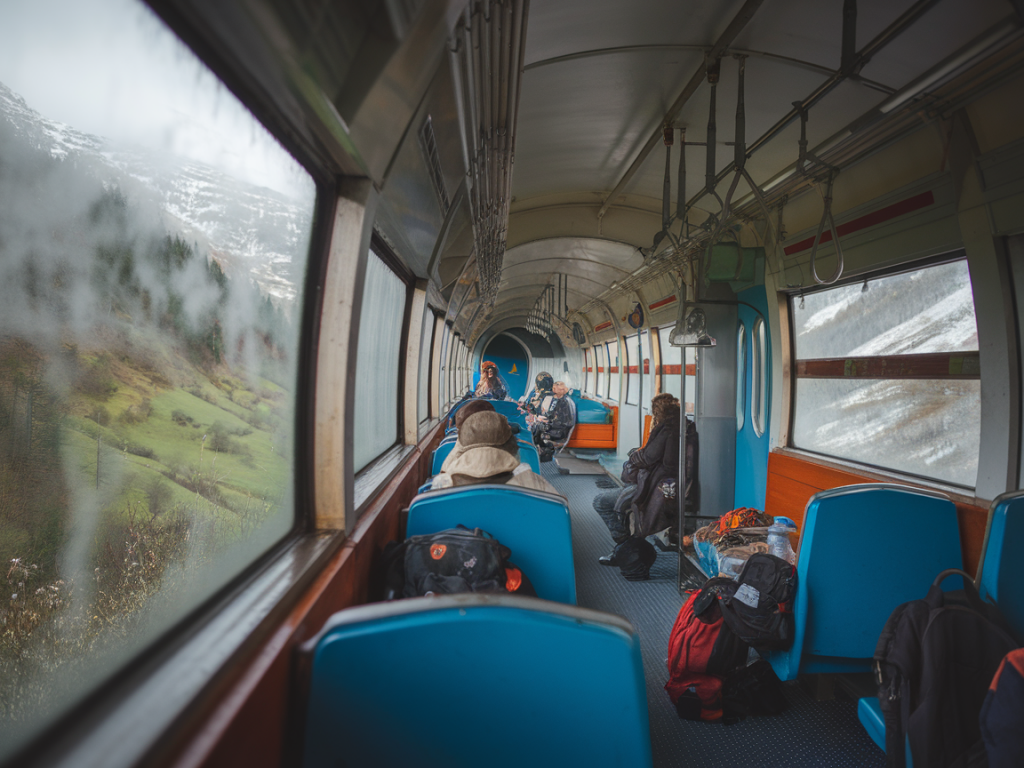
I love weekends that feel like a small, restorative voyage rather than a rushed checklist of Instagram shots. Over the years I’ve learned that the trick to a guilt-free, slow-travel weekend is simple: travel less like you’re racing to everywhere, and more like you’re choosing one place to open up to. For me that usually means using public transport to get there, staying locally run, and planning a gentle rhythm of discovery—walking, lingering in cafés, and letting the unexpected arrive.
Why slow weekend travel matters (and why public transport helps)
Travel doesn't need to be long to be meaningful. Short breaks can still shift your rhythm and curiosity if they’re paced well. Choosing trains, regional coaches, or ferries reduces the carbon footprint compared with short-haul flights and often adds to the pleasure: you get a gentler arrival, better views, and time to read, sketch, or simply watch the world move past. Staying in small guesthouses, B&Bs or locally run inns keeps money in the community and usually brings more personal recommendations than a generic chain hotel.
Start with a clear but flexible plan
My approach: pick one destination within a two-to-three-hour public-transport ride, decide on one “anchor” activity, and leave the rest free. That anchor could be a coastal walk, a museum, a local market, or a small festival. Everything else fills in like gentle toppings rather than an urgent to-do list.
Practical checklist before you leave:
- Choose a reachable destination: Two–three hours on a train or coach reduces travel time and increases the time you have to explore.
- Check service frequency: Use National Rail Enquiries, Trainline, or local transport apps to pick departure times that give you a whole afternoon on arrival.
- Book local stays run by people, not algorithms: Look for family-run B&Bs, independent guesthouses, or small hotels on Booking.com, Airbnb (choose “Superhost” or local hosts), or local tourism sites.
- Pack light: A comfortable daypack and one small carry bag keeps you mobile—no lugging suitcases up narrow B&B stairs.
Choosing the right transport
For UK weekends I usually favour trains unless a scenic local bus route adds something special. Trains are reliable, have space for larger bags, and often connect directly to town centres. If I’m island-hopping (think Isle of Wight or the Scottish isles), I combine rail and ferry. For rural spots, regional buses can be quieter and more scenic—plus they sometimes go to places trains don’t.
Tips for booking transport:
- Advance fares: Booking on advance fares with rail operators can save money. But don’t overcommit—pick flexible tickets if you want to linger.
- Railcards: If you travel a few times a year, railcards (e.g. 16-25, Two Together, Senior) are worth checking.
- Night-before return: Consider a later return train to get a full final day, or a Sunday afternoon ticket to avoid peak pricing.
- Public transport apps: Citymapper for urban trips, Traveline for regional services, and local operator apps help with connections and live updates.
Where to stay to support local communities
I favour small places where the host can give you local tips—best bakery, hidden walk, off-peak museum times. These stays feel less anonymous and more like being welcomed into the neighbourhood.
- B&B or guesthouse: Often run by locals who know the area intimately. Expect a good chat and a proper breakfast.
- Independent inns: Great for evenings if you want local food and avoid going far.
- Small hotels or boutique guesthouses: Check reviews for character rather than polish; the stories make the stay.
- Unique local options: Farms stays, converted cottages, or eco-lodges can add a memorable twist.
Pace your days the slow way
The goal is to notice things. I build one longer activity (a coastal walk, a museum, a market visit) into the day and then leave time for slower pleasures: a second coffee, a book in a park, chatting with a shop owner. Here's how I structure a typical slow weekend day:
- Morning: Leisurely breakfast, local market or short walk
- Midday: Anchor activity (2–4 hours)
- Afternoon: Café, local gallery, or simple exploration on foot
- Evening: Dinner at a locally recommended place or home-cooked meal from a small grocer
Resist the urge to pack too much into each day. A single well-savored experience often yields more memories than several half-hearted ones.
Eat like a local
Food is one of the easiest ways to travel responsibly and slowly. I look for markets, independent cafés, and bakeries. Buying from local producers supports the local economy and can introduce you to flavours you wouldn’t otherwise find.
- Markets: Great for lunch and for buying things to picnic with on a walk.
- Local pubs and inns: Often serve seasonal, local dishes and are social hubs.
- Cafés with character: Choose places where people linger—an indication of good coffee and a relaxed vibe.
Pack thoughtfully (sustainably, too)
For a weekend, I travel light. My essentials:
- Daypack with water bottle, reusable cutlery, and a compact umbrella
- Comfortable walking shoes and layered clothing
- Portable phone charger and a small notebook
- Reusable coffee cup and shopping bag
- Basic first-aid and any medications
Bringing a reusable cup and bag reduces single-use waste. If you plan to cook or picnic, a small set of reusable cutlery feels surprisingly luxurious and practical.
Examples of guilt-reducing extras
To make a trip feel ethically and environmentally lighter, I sometimes add small adjustments:
- Buy a return train ticket rather than relying on cars or taxis on arrival.
- Pick a locally run stay instead of a big chain.
- Use refill stations for water and avoid single-use plastics.
- Offset emissions for travel you can’t avoid, ideally through reputable local projects.
Sample slow weekend itinerary
| When | Activity | Why it’s slow/guilt-free |
|---|---|---|
| Friday evening | Two-hour train to a coastal town, check in to a family-run guesthouse | Avoids flights; supports local host |
| Saturday morning | Market breakfast, coastal walk | Local food, walking pace to notice details |
| Saturday afternoon | Small museum or gallery + café linger | Slower cultural engagement, supports local business |
| Sunday morning | Cycle or bus to nearby village, visit artisanal shop | Uses public transport or human-powered travel |
| Sunday afternoon | Late return train after a long lunch | Maximises time away without rushing |
How to handle unexpected things
Slow travel accepts delays and delights. Trains can be late, a shop may be closed, or the weather might turn. I keep a sense of humour and a backup plan: a good café, a local library, or a small gallery usually saves the day. If transport disruption happens, I use the time to slow down further—read, sketch, or chat with locals. Those interruptions sometimes become the best part of the trip.
Above all, remember that a slow weekend is about changing your pace, not about ticking extra boxes. If you choose public transport, local stays, and a softer agenda, you’ll often find that the trip feels richer and kinder—to the places you visit and to yourself.