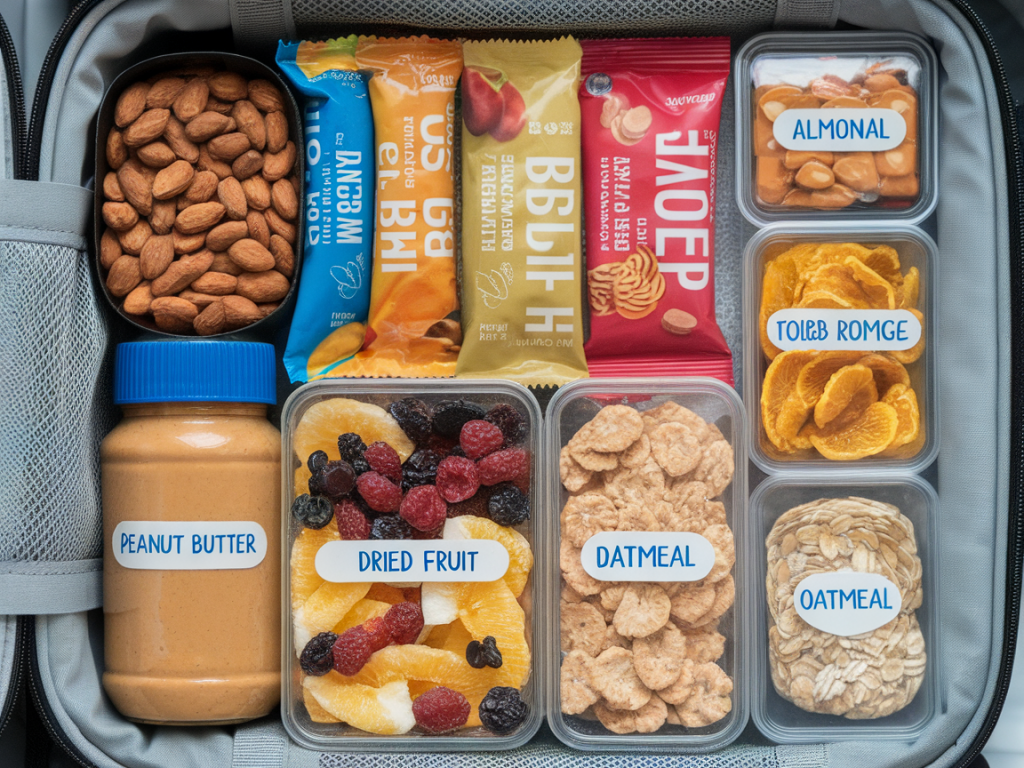
There’s a particular joy to arriving at an airport with a little food plan tucked into my carry-on: the calm of knowing I won’t be hangry mid‑layover, the satisfaction of eating something that suits my dietary needs, and the tiny luxury of a hot-ish snack when airport coffee is cold and overpriced. Over the years I’ve refined a portable “carry-on pantry” that fits in a tote or the side pocket of my bag, keeps me nourished through delays, and avoids the drama of last-minute dietary compromises. Here’s how I travel with one—smart snacks, simple meal ideas, security-friendly packing, and tips for handling allergies, vegan preferences, gluten-free needs, and long layovers.
Why bring a carry-on pantry?
Planes and airports aren’t always reliable foodwise: options can be expensive, limited, and not accommodating of special diets. Bringing my own stash saves money, reduces stress, and gives me control over ingredients. It’s also kinder to the planet—less single-use packaging if I prepare things at home. And during long layovers, having something nourishing can be a real mood lifter.
Rules to keep in mind (security and international travel)
Before we talk snacks, a few practical musts:
How I pack my carry-on pantry
I aim for compactness, variety, and resilience. Here’s my usual packing method:
Snack and meal ideas that travel well
My go-to list balances protein, carbs, and fats for satiety and energy, while considering common dietary restrictions.
- Energy and granola bars: Look for bars with minimal sugar, whole ingredients, and clear allergen labeling. Brands I reach for include KIND (nut-free lines available), RXBAR (clear ingredient lists), and Nakd for a simpler fruit-and-nut option.
- Nuts and seeds: Almonds, walnuts, pumpkin seeds. Pre-portion them into small bags to avoid overeating. Choose roasted or tamari-coated for salt preference.
- Dried fruit + oat clusters: Dried apricots, dates, and figs add sweetness and iodine-free energy. Pair with nuts for better balance.
- Crackers and rice cakes: Great base for spreads; choose gluten-free rice cakes if needed. Jovial and Schär make reliable gluten-free crackers.
- Seed- or nut-based spreads: Single-serve almond butter or peanut butter pouches (like RX Nut Butter or Justin’s) are TSA-friendly and perfect with fruit.
- Roasted chickpeas or lentil snacks: High-protein, crunchy, and shelf-stable—ideal for vegans and vegetarians.
- Pre-cooked grains and salads: If you can keep them cool, sachets of quinoa salad or tabbouleh stored in a sealed container work well for a light meal.
- Hard cheeses and cured meats: Allowed in many countries and great for protein—vacuum-sealed packs like Babybel, Manchego wedges, or prosciutto work for shorter trips (but check customs).
- Fresh fruit: Apples, pears, bananas, clementines travel well and don’t need refrigeration. Avoid citrus if you’re entering countries that restrict fresh produce.
- Instant soups and noodles: For long layovers with access to hot water (airport lounges, cafés), instant miso packets or noodle cups can be a comforting option—just watch sodium levels.
Meal ideas by dietary need
Here are some simple combos I use depending on my mood and dietary constraints:
- Gluten-free: Rice crackers + single-serve hummus (small sealed tubs bought post-security or sealed at home if solid), cherry tomatoes, and a pouch of smoked salmon.
- Vegan: Roasted chickpeas, almond butter sachet with apple slices, and a quinoa salad (kept cool in an insulated pouch).
- Low FODMAP / sensitive stomach: Plain rice cakes, lactose-free hard cheese or firm tofu if kept cool, a handful of walnuts, and a banana.
- Nut-free: Seed butter pouches (sunflower seed butter), trail mix made without nuts, and rice crackers with a small tub of cream cheese or labneh (if you manage cold storage).
- High-protein: Jerky (beef, turkey, or vegan alternatives), hard-boiled eggs (consumed within a few hours), cheese sticks, and edamame snacks.
Handling long layovers
Long layovers are when a carry-on pantry truly shines. I plan for two meal windows: immediate snack after a flight and a fuller meal mid-layover. If there’s an airport lounge option, I’ll use their hot water and microwaves, combining them with my own packets (instant rice, cup noodles, or pre-packed polenta). Other tips:
Simple packing checklist
| Container | Insulated pouch, small zip pouch |
| Perishables | Cheese wedge, smoked salmon, yogurt (if small and eaten quickly) |
| Non-perishables | Bars, nuts, dried fruit, crackers, jerky |
| Utensils | Reusable spork, napkin, wet wipes |
| Extras | Empty water bottle, small ice pack, allergen note |
Bringing a carry-on pantry isn’t about hauling a cooler through the terminal—it’s about thoughtful little choices that let you stay nourished, comfortable, and true to your dietary needs while traveling. Over time you’ll find which combos give you energy without mess, and which brands or flavors feel like a small treat mid-journey. Pack smart, check customs where needed, and enjoy the calm that comes from having a reliable snack plan.