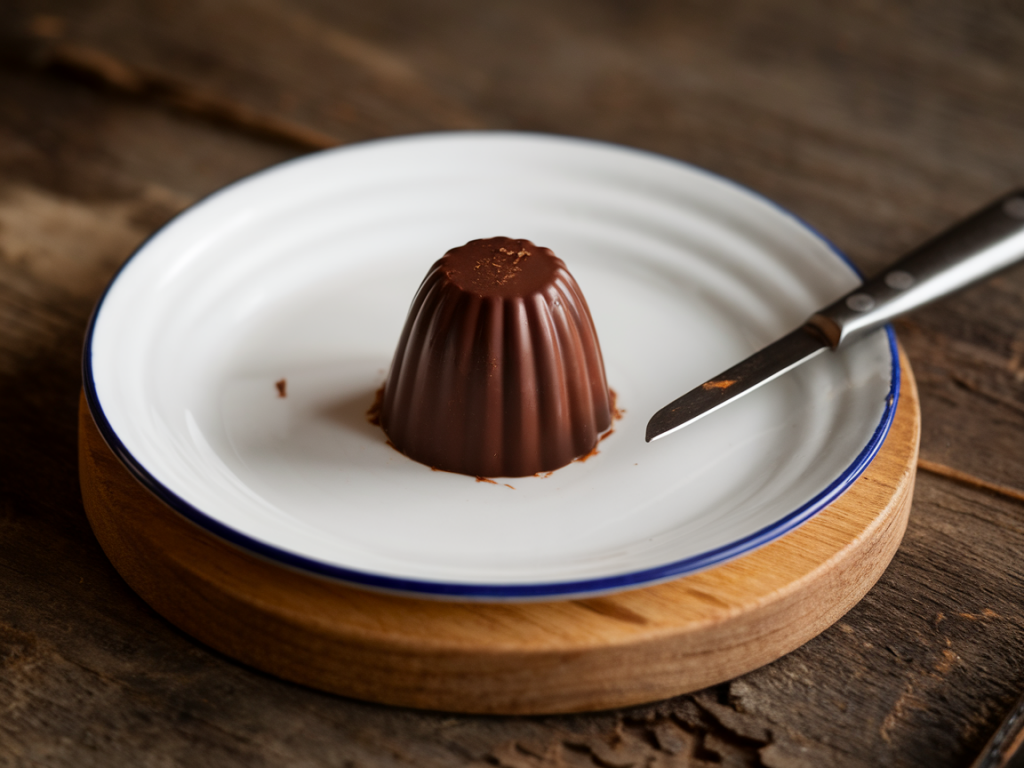
I love the ritual of tasting something slowly — it turns an ordinary moment into a small expedition. Tasting chocolate like a chocolatier is one of my favourite at-home experiments: with just a little attention and a simple five-step method, you can uncover flavour notes and textures that usually hide behind quick bites. This isn’t about being an expert; it’s about paying attention, asking questions, and letting chocolate surprise you.
What you need and how to prepare
Before we start, gather a few things to make the tasting fair and focused. I usually prepare:
Sit in a quiet, neutral-smelling room (no strong perfumes or cooking smells). Serve the chocolate at room temperature — not fridge-cold, because colder chocolate mutes flavour. A comfortable 18–21°C (64–70°F) is ideal.
Step 1 — Observe: look and learn
Start with the visual. Hold the piece up to the light and notice the colour and sheen. Is it glossy or dull? Darker doesn’t always mean more intense — it can indicate roasting level or added cocoa butter.
I like to break a square in my hands and listen for the snap. A clean, sharp snap often points to well-tempered chocolate and can hint at texture. A soft, crumbly break suggests either a high cocoa butter content or that the bar is older or stored improperly.
Step 2 — Smell: inhale the opening notes
Bring the chocolate close and breathe in gently. Chocolate releases a bouquet of aromas — floral, fruity, nutty, earthy, roasty. Cover the piece with your hand for a moment, then lift and take another inhale; the trapped aroma intensifies the first impression.
Try to name what you smell. I often jot quick words: citrus peel, red berries, coffee, caramel, tobacco. Sometimes the aroma hints at the origin: for example, Madagascar beans often present bright fruity or berry notes, while Ecuadorian beans can be floral or nutty.
Step 3 — Texture: let it melt
Place a small piece on your tongue and let it melt without chewing. Pay attention to how it melts — does it dissolve silky and fast, or does it stay thick and waxy? Texture tells you about temper, fat content, and how the chocolate will carry flavour across the palate.
Think about mouthfeel: is it creamy, grainy, oily, or velvety? Smooth, creamy melts often indicate fine conching and good particle size, while a slightly grainy texture can mean larger cocoa or sugar particles.
Step 4 — Taste: decode the flavours
This is the part that feels like detective work. As the chocolate melts, note the evolution of flavour across three stages: initial, mid-palate, and finish.
Don’t rush. Give each chocolate 30–60 seconds of attention. Sip a little water between pieces or eat a plain cracker to reset your palate. I find chewing a piece of neutral bread does wonders to remove lingering sweetness.
Step 5 — Compare and record
After tasting two or three chocolates using the same steps, compare notes. Which one seemed brighter? Which had more bitterness or acidity? Which felt more luxurious on the tongue?
| Chocolate | Aroma | Texture | Flavour notes (initial/mid/finish) |
|---|---|---|---|
| Madagascar 70% | Strawberry, citrus | Silky, quick melt | Bright citrus / red fruit / lingering cranberry tartness |
| Ecuador 72% | Floral, honey | Velvety | Caramel / jasmine / soft nutty finish |
| Blend 65% | Roasty, cocoa | Thicker, rich | Milk chocolate caramel / toasted almond / short bitter finish |
I sometimes score each element on a simple 1–5 scale: aroma, texture, complexity, and finish. It’s not scientific, but it helps me notice patterns. After a few tastings, you’ll train your memory to detect subtler notes and even guess origins or fermentation styles.
Extra tips and common questions
How much chocolate should I taste? Small pieces are best — think 5–10 grams per sample. You’ll get enough flavour without overwhelming your palate.
Should I taste milk chocolate? Absolutely. Milk chocolate is a different category and reveals dairy, caramel, and toffee notes more clearly. Try a milk chocolate with a high cocoa content (45–55%) to experience deeper cocoa notes without excessive sweetness.
Is there a 'correct' order for tasting? Start with the mildest or lowest cocoa content and progress to the strongest or highest percentage. This prevents intense bars from overwhelming subtler ones.
What about pairing? Chocolate pairs well with coffee, tea, wine, and even certain cheeses. If you try pairings, keep them simple. A light roast coffee or a floral black tea can highlight fruity notes, while a nutty brown ale might bring out roasted flavours.
Can I do this with filled chocolates? Filled or flavoured chocolates are delightful, but they add another layer of complexity — ginger ganache, salted caramel, or liqueur fillings. For learning origins and cocoa characteristics, stick to plain bars first.
Every tasting I do feels like reopening a well-loved book and noticing a new sentence. The five-step method is a gentle framework — look, smell, melt, taste, compare — that invites curiosity rather than judgement. If you’re curious about origins or want recommendations, I’m always happy to share recent favourites from bean-to-bar makers or small chocolatiers I’ve tried. Happy tasting — and do tell me what unexpectedly delightful note you discovered on your next chocolate expedition.