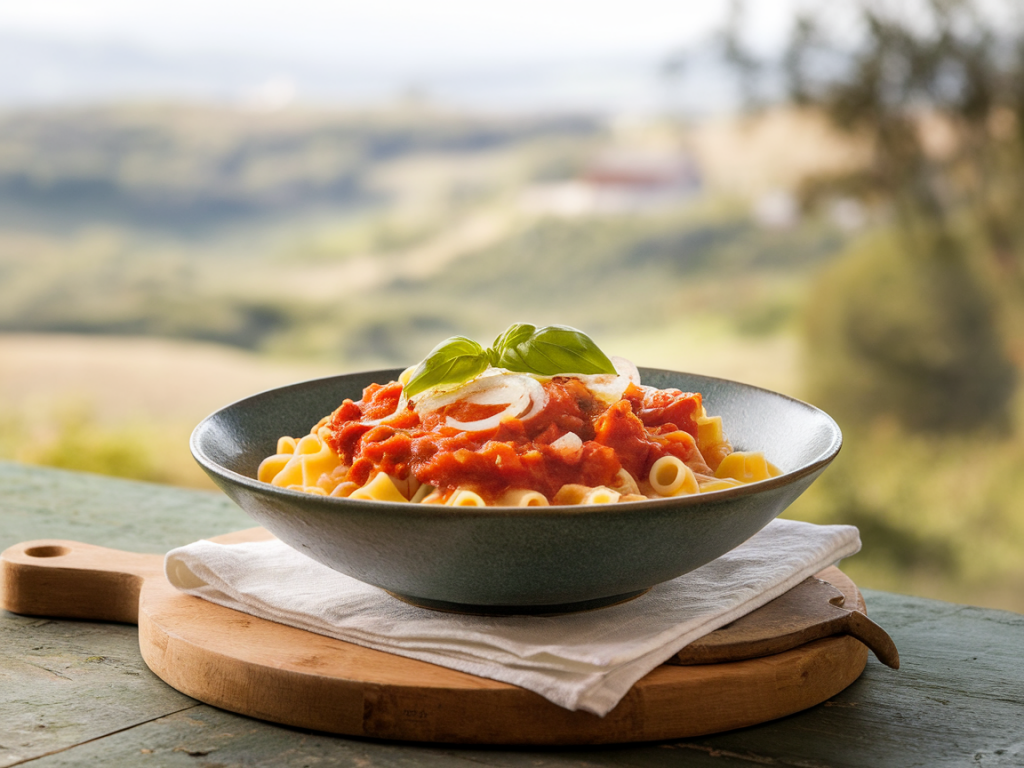
I once learned a simple truth while traveling through a small Andalusian town: one honest, local recipe can be the backbone of a week’s worth of meals, saving money, time, and the anxiety of “what shall we eat tonight?” On a hot afternoon, a neighbor taught me how to make a classic tortilla de patatas — a humble Spanish potato omelette — and I watched as that single dish transformed into breakfasts, lunches, picnics, and light dinners for days. I want to share how you can do the same when you travel: pick one authentic, flexible recipe and stretch it into a whole week of budget-friendly meals with easy grocery lists.
Why start with one authentic recipe?
When you’re on the road, especially on a budget, simplicity is your friend. Choosing a single local recipe has a few advantages:
For this example, I’ll use the Spanish tortilla because it’s authentic, inexpensive, easy to prepare without fancy equipment, and endlessly adaptable. But the method works equally well with other regional favourites like Italian ragù, Moroccan chickpea stew, or Thai curry paste — the idea is the same: build a week around one tasty, transportable base.
The authentic recipe (base): Spanish tortilla de patatas — simplified
Here’s the pared-back, traveller-friendly version I learned in Andalusia. Make it once and you’ll have a thick, jammy omelette that keeps a few days in the fridge and tastes great cold or warmed.
Method (short): thinly slice potatoes and onion, gently fry in olive oil until soft and slightly golden, drain most of the oil, whisk eggs with salt + pepper, combine with potatoes, pour into a pan and cook low and slow until set, flip (or finish under a grill) to cook through. Let rest — it’s easier to slice when cooled.
How this one dish becomes a week of meals
Think of the tortilla as a base protein-and-starch canvas. From it you can create quick breakfasts, hearty lunches, picnic sandwiches, and light dinners by adding small, cheap staples you can buy at any market: bread, tomatoes, canned beans, yogurt, salads, canned tuna, or local cheeses. Here’s a realistic 7-day plan for two people using one batch of tortilla (serves 4–6 as main), plus a few extra purchases.
Sample weekly meal plan (based on one tortilla)
Grocery list for the week (two people)
The table below is a simple, budget-focused list with rough quantities and estimated costs (prices will vary by country/city; I’ve used modest European market prices as a guide).
| Item | Quantity | Estimated cost |
|---|---|---|
| Potatoes | 1 kg | £1.20 |
| Eggs | 6 | £1.50 |
| Onion | 1–2 | £0.40 |
| Olive oil (small bottle) | 250 ml | £2.50 |
| Crusty bread | 1 loaf | £1.20 |
| Tomatoes | 4–5 | £1.50 |
| Mixed salad greens | 1 bag | £1.00 |
| Canned tuna | 2 tins | £1.80 |
| Canned beans | 2 tins | £1.20 |
| Olives | small jar | £1.50 |
| Local cheese (or block cheese) | 200 g | £2.00 |
| Yogurt | 500 g | £0.90 |
| Fruit (seasonal) | 6 pieces | £2.00 |
| Herbs / lemon / vinegar | basic | £1.00 |
Approximate total: £18–£20 for two people for several days of meals — cheaper if you already have olive oil, salt, or spices. If you’re traveling solo, scale quantities down and you’ll be amazed at how long ingredients last.
Practical tips for shopping and storage while traveling
Ways to vary the base without buying lots of extras
A few small ingredients can keep the menu interesting all week:
Cooking with limited gear
One reason this strategy works well for travellers is minimal equipment. All you need is one frying pan, a spatula, a bowl, and a knife. If you’re in a hostel kitchen, bring a small silicone spatula and a compact container to store cooked food. In many European hostels, a reliable non-stick frying pan is often the only piece of equipment you’ll need.
Local variations to try
When you replicate this method in other places, look for similarly simple local dishes that combine a cheap starch + protein or egg. Examples:
I’ve used this approach from Lisbon to Kyoto: pick a single, honest local recipe, make it properly once, and then coax a week of meals from that base. It saves money, reduces decision fatigue, and — best of all — helps you eat like a local without needing a different grocery list for each day. Try it on your next trip: buy less, cook once, and discover how a simple local dish can become the thread that ties your travel days together.