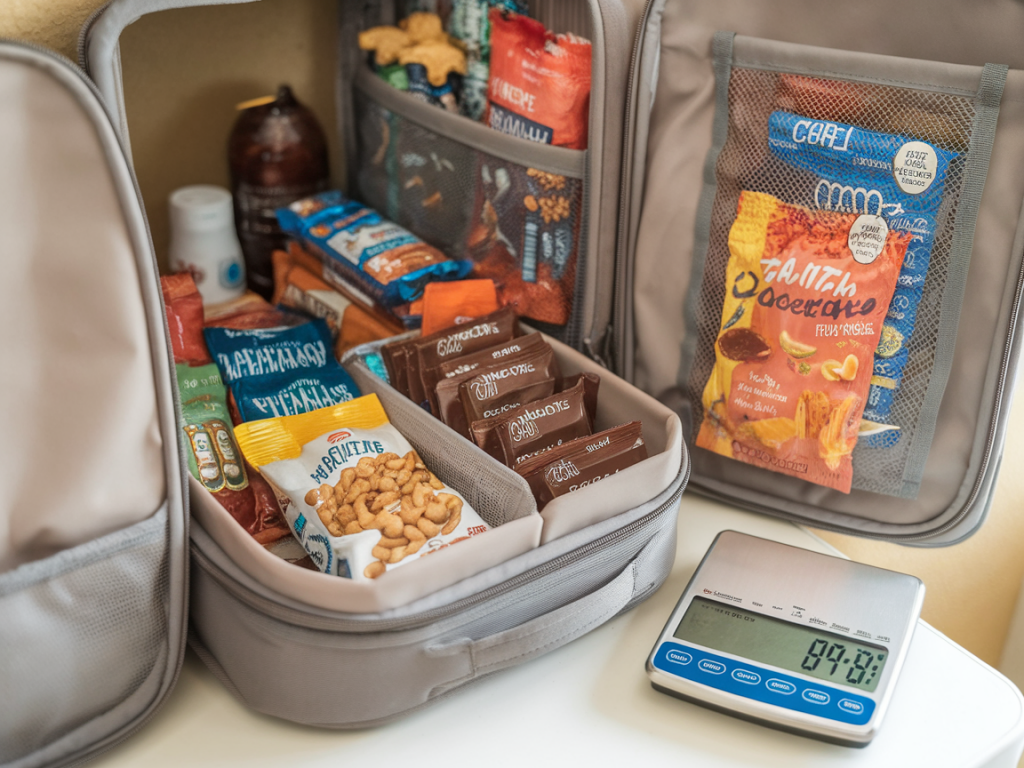
When I travel, I treat my carry-on like a little pantry on wheels. There’s comfort in having familiar snacks within arm’s reach: something crunchy for the middle-of-flight slump, a chewy bite for late arrivals, and a salty nibble for when airport food disappoints. Over the years I’ve learned that keeping those snacks fresh and safe is as much about packaging and selection as it is about choosing tasty items. Here are the practical habits and small gear upgrades that keep my carry-on pantry in prime condition.
Packing basics: airtight is everything
The single most useful rule I follow: remove as much air as possible. Air is the enemy of crunch and freshness. I keep a small stash of resealable bags (I prefer heavy-duty freezer bags) and a couple of silicone reusable bags like Stasher. For fragile items — think crackers, biscotti, or cookies — I use a rigid container to prevent crumbs and crushing.
My go-to packing routine:
- Place snacks in individual bags or compartments rather than one big pouch.
- Squeeze out air before sealing. For stasher bags I press flat; for zip-top bags I use a straw to suck out the last bit of air if I’m picky about the crunch.
- Seal moisture-sensitive items with a small desiccant packet if I’ll be traveling for several days and humidity might be an issue. I keep a few food-grade silica packets from tech accessory kits.
Choose snacks with sane shelf-lives
Every snack has a natural window where it tastes best. I think of snacks in three categories: short-lived fresh (sandwiches, soft cheese), stable but prone to textural change (crackers, granola), and long-life shelf-stable (nuts, jerky, dried fruit). For carry-on use I mostly pack from the latter two categories unless I'm taking an early flight or have a small cooler bag.
| Snack | Typical safe shelf-life in carry-on | Notes |
|---|---|---|
| Nuts & seeds | 2–4 weeks (cool, dry) | Best in airtight container; refrigerate at destination if hot |
| Crackers & biscuits | 1–3 weeks | Air exposure leads to staleness; rigid box helps |
| Dried fruit | 2–4 weeks | Can become sticky in heat; separate pieces with parchment |
| Protein bars | months (check label) | High sugar/fat bars can get soft in warm climates |
| Jerky | 1–2 weeks once opened | Keep sealed; shelf-stable if unopened |
| Fresh fruit (apples, bananas) | 3–7 days | Bananas bruise quickly; apples hold well |
Small kit, big difference
I carry a tiny "pantry kit" inside my carry-on that takes up almost no space but pays dividends:
- A set of small resealable bags (various sizes)
- One silicone bag (for sticky or wet items)
- Rigid container for fragile crisps
- Mini cloth napkin or beeswax wrap (reusable and odor-free)
- A couple of silica packets and a travel cutlery set
These items are lightweight and reusable, which I prefer to single-use plastic. If you like a brand, I often reach for Stasher for silicone bags and Sistema for compact containers — both live in my toiletry or tech pouch.
Air travel rules and security-friendly tips
Remember that airport security can be particular. Solid foods are allowed in carry-on, but liquids and gels are restricted to the 100 ml rule. That affects dips, yogurt, soft cheese, nut butter, and hummus. My tricks:
- Replace spreads with single-serve packets. Many nut butter brands and peanut butter companies sell 1–2 tbsp packets that clear security without fuss.
- Buy small sealed containers for things like yogurt at airport shops after security if you need something creamy.
- Use dehydrated options (instant soup, freeze-dried fruit) when you need lightweight, long-lasting calories that won’t bother security staff.
Temperature and humidity—plan by destination
When I’m heading somewhere hot and humid, I adapt my selection. Heat can make chocolate bloom, soften protein bars, and make crackers lose their snap. In warm weather I lean toward:
- Roasted nuts (less problem with melting)
- Dried fruit kept in separate bags to avoid stickiness
- Grain-based bars (oat clusters) that tolerate warmth better than chocolate-coated bars
For cooler destinations I’m more liberal with chocolate and soft cookies because they travel better in stable, cool cabins. If I expect extreme heat, I sometimes pack a small insulated lunch bag with a frozen ice pack — just be sure it’s fully frozen before security and complies with airline rules.
Dietary swaps that travel well
If you follow a specific diet, maintaining it while traveling can feel fiddly. Over time I’ve learned a few easy swaps that mimic familiar textures and flavors without needing refrigeration:
- Craving yogurt? Try shelf-stable almond or coconut milk yogurt pouches available in some stores, or carry single-serve probiotic tablets to take with a fruit pouch.
- Missing cheese? Vacuum-sealed aged cheese (parmesan wedges) survives better than soft cheeses. Or try nutritional yeast flakes sprinkled on crackers for a cheesy note.
- Need gluten-free options? Many rice-based crackers and roasted chickpea snacks keep longer and stay crisp.
- Vegan protein craving: roasted chickpeas, roasted edamame, and shelf-stable tofu jerky are great travel-friendly options.
Freshness hacks I actually use
A few small behaviors preserve snacks more than you’d expect:
- Rotate snacks: I refill and rotate my carry-on pantry weekly if I travel often. First in, first out keeps things fresh.
- Keep volatile-smelling items (tuna, strong cheese) out of day packs and near the outside of the bag to avoid flavor transfer.
- Separate sweet and savory in different bags — sugar can make crackers go soft faster.
- When buying snacks at the airport, prefer sealed items. A sealed granola bar will outlast an open bakery muffin by a long shot.
One personal ritual: I always pack one treat that feels like comfort travel — a small bar of high-quality chocolate or a favorite candy. I wrap it in a silicone bag to protect it and stash it in an outer pocket for easy access during long waits. It’s small, but that tiny bit of familiarity can do a lot on a tired travel day.
When in doubt, buy local after security
If my pantry runs low or I’m unsure about freshness, I’ll wait until after security and pick up snacks there. Airport shops often have sealed snack packs and local treats that are safer and sometimes fresher than what I had packed days ago. It’s also a nice way to try a regional specialty without worrying about packing rules.
These habits have kept my carry-on pantry both practical and enjoyable. I like the small, domestic rituals of food — a crisp cracker, a well-sealed bag of nuts — that make travel feel less transient. If you’d like, I can share a printable packing checklist of the exact items I use; I keep a lightweight version in my phone for every trip.