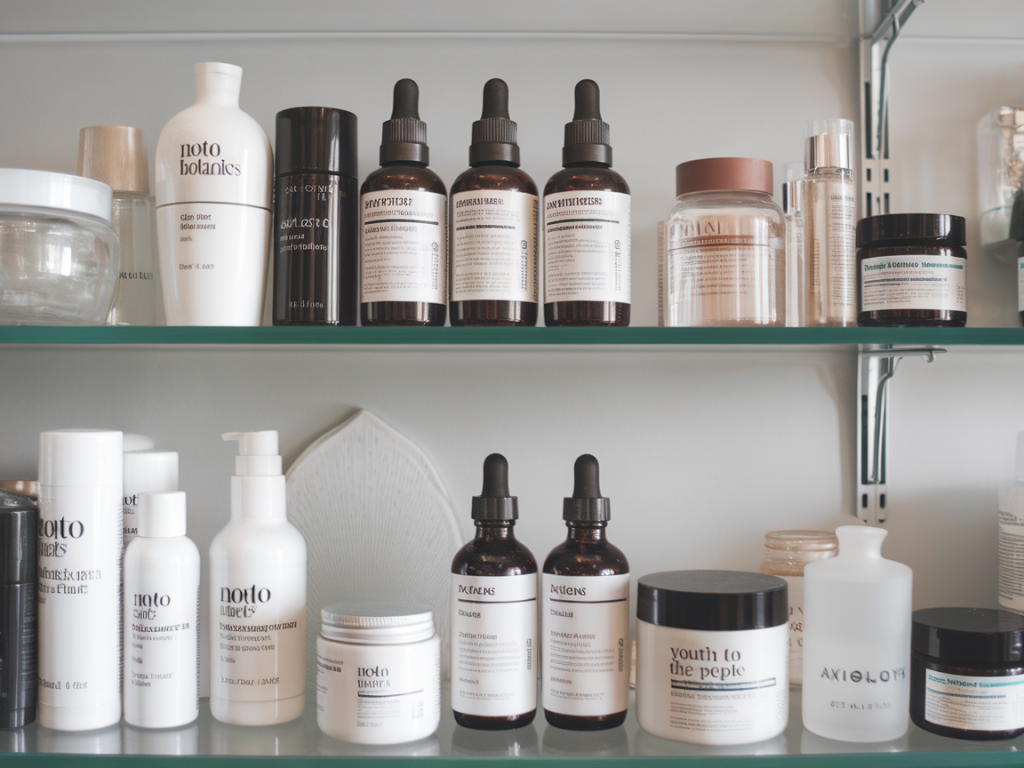
I’ve been experimenting with refillable skincare for a few years now, partly because I can’t stand the mounting pile of plastic at my sink and partly because my skin can be fussy—if a product is going to be more sustainable, it also has to be gentle. What I’ve learned is that “refillable” isn’t one thing: the environmental payoff and the likelihood of irritation depend on how a brand implements refills (pouches, cartridges, in-store topping-up, or reusable glass with a return program) and on the formulas themselves.
What actually counts when a brand “cuts waste”?
When I evaluate a refillable skincare brand I look past the marketing. Here are the practical things that matter to me:
Material reduction: Are refills lightweight pouches that use much less plastic than a full bottle? Or are they single-use cartridges that still require recycling pathways?Recyclability and reuse: Can the primary container be returned and reused (deposit/return schemes) or is it recyclable in most municipal systems?Distribution efficiency: Does the brand offer refills by mail, in-store refill stations, or a take-back shipping option? The more infrastructure already exists, the more likely the refill system will actually be used.Packaging transparency: Does the brand publish how much plastic they save per refill and provide clear disposal instructions?Brands that tick several of these boxes—reduction in material + easy reuse or widely recyclable pouches + clear instructions—are the ones that truly cut waste in practice, not just in advertising.
Which refillable brands seem to work in real life?
I’ll be honest: the landscape is messy. A few brands stand out because their refill approach is pragmatic and their formulas are skin-friendly.
Aesop (in-store refills): Aesop has offered in-store refills for hand washes and some body products for years. The immediate waste reduction is real because you bring your own bottle back. The formulas are generally fragrance-forward (the brand’s signature) so they’re not best if you’re fragrance-sensitive, but if you tolerate their scents they’re well-tolerated.L’Occitane (navy pouches): L’Occitane sells pouch refills for body wash, shampoo, and hand soap. Pouches use less plastic by weight and are easy to transport. Their formulations are typically mild and plant-forward; my hands respond well to the Shea Butter hand refill after switching from single-use bottles.The Body Shop (in-store refill stations): The Body Shop has installed refill stations in many locations—especially for shower gels and shampoos—allowing big reductions in single-use bottles. Their formulas vary; many are fragrance-forward but they do offer scent-free or sensitive lines in some regions.Kjaer Weis (cosmetic refills, small skincare): If you’re exploring refillable luxury and want metal compacts/glass that you can refill, Kjaer Weis is an example from the beauty side. For skincare textures, look for brands using airless glass and return programs—those are better at protecting formulas and preventing contamination.Smaller indie brands and local refill hubs: I’ve had great results with local zero-waste shops that let you top up hand soap or shampoo into your own containers. The formula quality depends on the supplier, so ask for ingredient lists and a patch test.One more note: some brands market “refillable” but their refills are hard-to-recycle cartridges. Those reduce in-store waste but create end-of-life problems unless the company runs a closed-loop take-back program. I tend to favour pouch refills that reduce plastic by weight or true return-and-refill glass systems.
Does refillable mean less irritation?
Not automatically. The risk of irritation depends on the formula, preservative system, and how the refill is designed.
Airless/closed systems help: Airless pumps, sealed pouches, and cartridges reduce contamination risk compared with open tubs. If a refill approach exposes product to air or fingers, irritation and microbial growth become more likely unless high-strength preservatives are used.Preservatives matter: Some brands use gentler preservatives; others use stronger ones to compensate for potential contamination. If you’re sensitive, check for familiar irritants (fragrance, essential oils, alcohol, or certain synthetic preservatives) rather than assuming refillable equals gentle.Batch stability: Refill programs can increase shelf life if the refills are sealed and stored properly. If a refill pouch is left open or stored in a hot garage, it’s a different story.So: refillable packaging can protect formulas if well-designed, but the ingredient list is still the most important predictor of irritation.
Two-week trial plan: how I test if a refillable routine works for me
If you want a quick, practical way to know whether a refillable brand will both reduce waste and be gentle on your skin, here’s a two-week plan I use. It’s paced and cautious—no rash decisions.
Before day 0 — research and patch test: Pick one product at a time (cleanser, serum, or moisturiser). Read the ingredient list. If you’re sensitive, avoid fragrance, high concentrations of exfoliants, and unfamiliar preservatives. Do a patch test: apply a pea-sized amount to your inner forearm for 48 hours (no washing). If irritation appears, stop and try a different product.Day 0 — start with clean base: Replace just one product in your routine with the refillable version (I recommend cleanser or moisturiser first because they impact daily comfort). Note the packaging type and how you’ll refill it in future.Days 1–3 — morning and evening log: Use the product twice daily. Each time, write a quick note: texture, scent, absorbency, immediate sting or tingle (0–5), any visible redness by evening (yes/no). I keep a simple note in my phone so it’s easy to compare.Day 4 — check packaging useability: Refill once if possible (or simulate): open the refill pouch, pour or insert the cartridge—did it seem fiddly? Did I spill product or plastic? If the refill process is messy or likely to be skipped, that reduces the real sustainability benefit.Days 5–10 — monitor skin changes: Continue twice daily. Look for delayed reactions: dryness, increased oiliness, tiny bumps, or eczema flares. If any negative signs grow worse, stop using and document when they started.Day 11 — repeat patch test on face (optional): If you had no issues on arm patch test but remain cautious, apply a small amount behind the ear or on the jawline for 48 hours before committing to full-face use. This is especially useful for actives like retinoids or acids.Days 12–14 — final assessment: Compare your notes. Ask: did my skin calm, stay neutral, or react? Was the refill mechanism convenient? Do you feel confident the product will stay safe in the container? If yes to first two and refill process seemed sustainable, the brand passes your two-week test.Quick comparison table I use when weighing brands
| Brand | Waste reduction (practical) | Irritation risk | Refill convenience |
| Aesop | High (bring-your-own bottles) | Medium-high (fragranced) | High (in-store) |
| L’Occitane | Medium-high (pouches) | Low-medium (gentle formulas) | High (pouch delivery) |
| The Body Shop | High (refill stations) | Medium (varies by line) | Medium (store-dependent) |
| Local refill hubs | Very high (bring your own) | Variable (ask ingredient list) | High (if local) |
Refillable skincare can genuinely cut waste and be kinder to skin, but only if you match smart packaging choices with non-irritating formulas and a refill system you’ll actually use. My two-week approach helps me separate novelty from a practical, lasting swap—maybe it’ll help you, too, when you’re standing in front of a refill pouch wondering whether to commit.