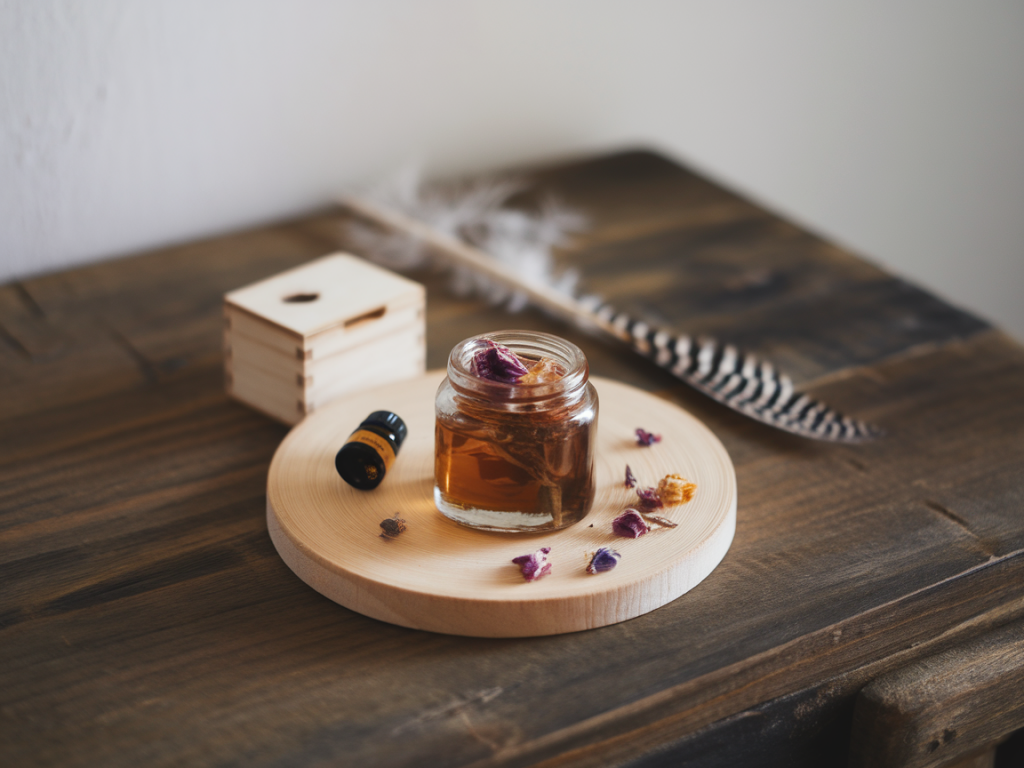
I’ve always been fascinated by how a single scent can transport you—back to a childhood kitchen, a museum gallery, or a rainy afternoon in a city you loved. Lately I’ve been experimenting with recreating that slow, museum-quality feel at home: a scent that isn’t just pleasant, but layered, enduring, and capable of unlocking a specific memory. You don’t need a perfumer’s lab to do it—just three simple ingredients and a tiny ritual that anchors the fragrance to a moment. Here’s how I do it, step by step.
What I mean by “museum-quality” (and why it matters)
When I say “museum-quality,” I’m not talking about expensive designer labels. I mean a scent with depth, refinement, and longevity—the kind of aroma you’d notice in a museum: subtle at first, then revealing warmer, resinous or woody notes that linger without overpowering. Museums often use stable, well-blended fragrances that age gracefully and reward slow inhalation. Recreating that effect at home is less about complexity and more about quality, restraint, and a thoughtful ritual to attach the scent to memory.
The three simple ingredients
Keep this list short and invest in the best version you can find—the results scale with ingredient quality.
- Neutral alcohol (high-proof vodka or perfumer’s alcohol): a solvent that lifts top notes and helps the scent evaporate more elegantly. I use 40–60% ABV vodka if you don’t have perfumer’s alcohol.
- Carrier/fixative (jojoba oil or fractionated coconut oil): helps the scent adhere to fabric and skin and slows evaporation, giving that long, museum-like trail.
- Essential oil blend or perfume concentrate: the “soul” of the scent. Choose 1–3 oils that work together—think of them as top, middle, and base notes. For a museum-like effect I favor resinous/woody base notes such as benzoin, labdanum, vetiver, cedarwood or aged patchouli, paired with a heart note like rose absolute or lavender and a luminous top like bergamot or neroli.
Tools and small extras that help
- Dark glass bottle (10–30 ml) with a tight cap or atomizer
- Small funnel or pipettes
- Label and date
- Optional: a tiny corked vial to carry the scent with a personal object (see ritual below)
Ratios and a quick mixing table
I like starting with a conservative formula that’s easy to tweak as it ages.
| Ingredient | Starting ratio | Example for 20 ml |
| Neutral alcohol (vodka) | 60–70% | 12–14 ml |
| Carrier/fixative (jojoba) | 20–30% | 4–6 ml |
| Essential oils / concentrate | 5–10% (total) | 1–2 ml (~20–40 drops) |
Step-by-step mixing
I make this in the evenings because I like the slow, ceremonial aspect of mixing and because scents tend to read differently at night.
- Sanitize your bottle and tools. Add the alcohol first using the funnel or pipette.
- Add the carrier oil. Jojoba carries scent well and is skin-friendly; fractionated coconut oil feels lighter on fabrics.
- Add the essential oils slowly—start with the base note (resin or wood), then the middle, then the top. Count drops. I usually do something like 15 drops base, 10 drops middle, 5 drops top for a 20-30 drop total. If you’re using heavier absolutes (rose, labdanum), reduce quantity because they’re potent.
- Cap and shake gently. Let the blend rest in a dark place for at least 48 hours; a week is better. Scents mellow and marry with time—this is where the “museum” effect begins.
How I choose my oils
My favorite combinations lean on warm, resinous bases with a clear heart note and a bright top. A couple of combinations I use:
- Vetiver (base) + lavender (heart) + bergamot (top): earthy and refined.
- Labdanum (base) + rose absolute (heart) + neroli (top): plush, slightly oud-like museum comfort.
- Cedarwood (base) + iris (heart) + orange blossom (top): powdery and understated—perfect for linen.
I usually buy oils from trustworthy sources like Florihana, Plant Therapy, or Neal’s Yard Remedies—quality matters because inexpensive oils often smell flat or hit with chemical notes.
Testing and adjusting
After a few days I do a blotter test: dab a small drop on a cork or paper strip and leave it for a few hours. Smell it at 10 minutes, one hour, then a day. If the top evaporates too quickly, add a touch more base or carrier oil. If the blend feels heavy, add a drop or two of a citrus top note. Keep notes—date the bottle and record what you added.
Safety and dilution
Never apply undiluted essential oils to skin. My blends are typically 3–5% total essential oil—safe for most adults when used sparingly. Do a patch test on your inner wrist and wait 24 hours. If you have sensitive skin, pregnancy, or medical conditions, consult a professional. Avoid phototoxic oils like bergamot on skin if you’ll be in direct sunlight.
The tiny memory-triggering ritual
Scent alone is powerful, but pairing it with a focused ritual pins it to a memory more reliably. Here’s my simple ritual, which takes about 60–90 seconds and fits into morning or evening routines:
- Choose an anchor object: a silk scarf, a small wooden bead, or even a bookmark. This object will carry tiny traces of the scent.
- Apply the scent sparingly to the object or a pulse point (inner wrist or behind ear). Close your eyes and inhale gently three times, focusing on slow abdominal breaths.
- While inhaling, recall a specific memory you want this scent to evoke—an exact moment, place, or person. Describe it to yourself in one short sentence (e.g., “The bench outside Musée d’Orsay on a rainy Paris morning”).
- On the third breath, anchor the memory by touching the object to your lips or heart and silently repeat the sentence once more.
- Store the object somewhere near your bed or bag. Every time you encounter the scent afterward, your brain gets a tiny reinforcement—small repetition builds a strong associative link.
How I use the scent
I don’t douse myself. For museum-quality subtlety I spritz (or dab) the scent onto a scarf, the inside of a coat collar, or a linen sachet tucked into a book I’m reading. When I open that book or wrap the scarf, the scent arrives slowly, like the dimming lights of a gallery before the art appears. If I want a personal boost, I inhale it briefly before stepping into a meeting or a long train ride—the ritual centers me and the memory anchor colors the moment.
Making perfume this way feels a bit like slow travel: it’s a quiet process that rewards patience and curiosity. You get a scent that’s yours, aged a little in your cabinet, and linked to the life you’re living now. If you try it, I’d love to hear what memory you chose to anchor—small discoveries are what keep my curiosity alive.