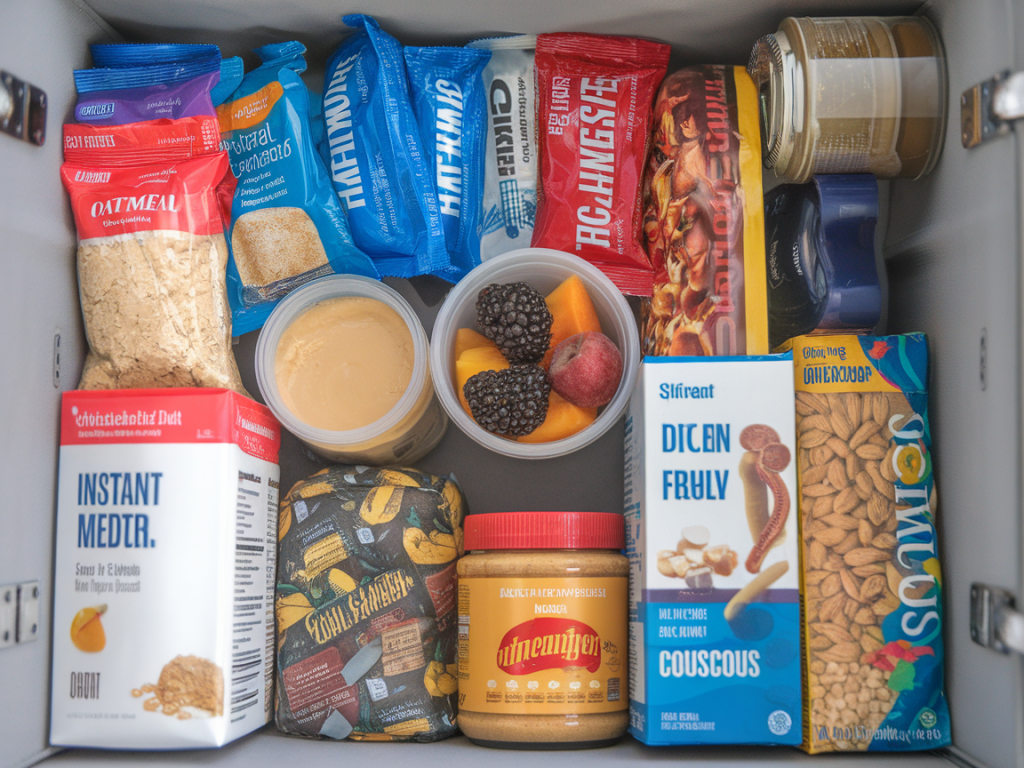
I’ve learned the hard way that airport delays and cramped flight meals don’t mix with strict medical diets. After a few missed connections and a bout of hanger-induced panic, I started treating my carry-on like a tiny, travel-sized pantry: a curated selection of compact, shelf-stable, nutrient-dense foods that respect my dietary needs and actually taste good. Below I share practical strategies, packing lists, and real-world tips so you can travel without compromising nutrition, flavor, or peace of mind.
Start with a plan: assess needs and constraints
Before I pack a single snack, I ask three quick questions: What are my strict dietary requirements (allergies, medical diet rules, glucose control)? How long might I realistically be stuck (6 hours, overnight, international layover)? Will I have access to a refrigerator, microwave, or hot water?
Answering those lets me choose foods that are safe, satisfying, and flexible. For example, if I’m on a low-FODMAP day I avoid onions and garlic-based sauces; if I need to control carbs for diabetes I pick low-GI snacks and portion them. Knowing airline and TSA rules (see below) also shapes packaging choices.
Key packing principles I follow
Carry-on essentials I never forget
I keep a little checklist stored on my phone. If I’m flying with a strict medical diet I’ll add specialized items (e.g., test strips, meds, letters from my doctor). Here’s my base kit:
Packable staples by diet (and tasty combos)
Below I list easy-to-source foods with ideas for assembling satisfying mini-meals. Mix and match based on your rules.
| Diet | Snack staples | Quick combo idea |
|---|---|---|
| Gluten-free | Rice crackers, Udi’s or Schär breads, nut butter, dried seaweed, roasted chickpeas | Rice crackers + almond butter + sliced apple |
| Vegan | Roasted edamame, hummus (shelf-stable or single-serve), trail mix (seed-based), oat-based bars (e.g., Oatly or Biona) | Single-serve hummus + carrot sticks + roasted edamame |
| Low-FODMAP | Firm bananas, lactose-free yogurt pouches, rice cakes, cheddar (small portion for many), olives | Rice cake + cheddar + a few olives |
| Diabetic / Low-carb | Beef jerky (low-sugar), hard-boiled eggs, cheese sticks, nuts (portioned), avocado | Hard-boiled egg + avocado + a small portion of nuts |
| Keto | Pork rinds, macadamia nuts, cream cheese tubs, smoked salmon packets | Smoked salmon + cream cheese on cucumber slices |
| Nut-free / Allergy | Sunflower seed butter (e.g., SunButter), roasted chickpeas, popcorn, seed-based energy bars | Seed butter + rice cake + dried fruit (if safe) |
Small brand recommendations I use
I don’t rely on one brand, but these travel-friendly items have helped me on many trips:
How I handle reheating and hot food
I always carry a high-quality vacuum flask (500–750 ml). It lets me prepare instant soups, porridge, or rehydrate dehydrated meals using airport coffee or hot water. If you need to heat something: politely ask gate agents for hot water (many will help), or buy hot water at a café.
For warming a packed meal on the plane, I rely on thermoses and pre-warmed food. For example, I’ll add hot bulgur/gryz with a sachet of olive oil and pre-cooked lentils to a thermos in the morning—still warm by midflight. If refrigeration is required, a small frozen gel pack in an insulated bag keeps items safe for several hours; just check airline rules for gel packs and medication.
Security, airline rules, and documentation
TSA and many international authorities allow most solid foods in carry-on bags. Liquids are limited to 100 ml (3.4 oz) for carry-on—this includes soups, yogurt, and sauces. I decant sauces into small travel jars and, when necessary, place them in checked luggage or buy them post-security.
Portioning and labeling to avoid mistakes
I portion nuts, seeds, and bars into single-serve zip bags to avoid overeating and to make snack-sharing safe when traveling with others. Label everything with the date and any allergens in bold—this helps at security checks and when you’re in a hurry. I also include a tiny note about my dietary restriction (e.g., “Gluten-free: contains no wheat/barley/rye”)—it’s saved me time during customs inspections and when asking café staff about ingredients.
Emergency backup: what I buy at the airport
Even with a well-packed carry-on pantry, sometimes you need a Plan B. I scout airport shops as soon as I land in the terminal hub and look for:
If you have allergies, choose sealed packages with ingredient lists. If you follow a very strict diet, consider bringing a small, printed card in the local language explaining your condition (gluten-free, nut allergy), especially useful outside English-speaking airports.
Travel doesn’t have to mean surrendering to bland, nutrition-poor snacks. With a little planning, small containers, and a few trusted brands, you can assemble a carry-on pantry that keeps you fed, safe, and satisfied—even when flights don’t go as planned.