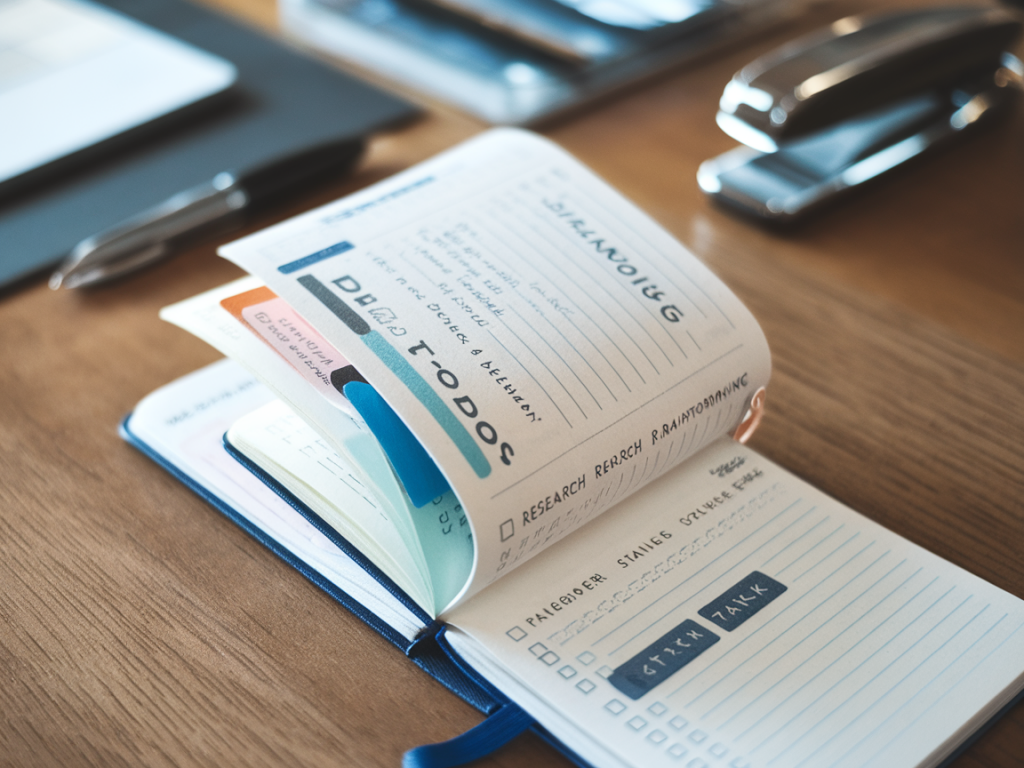
I carry a small notebook everywhere. Not because I’m obsessed with stationery (though I admit a soft spot for Moleskine and Field Notes), but because the tiny ritual of jotting something down can pull a stray idea out of the fog and plant it into a shape that can grow. Over the years I’ve turned grocery-list scribbles and half-formed sentences into photo essays, short stories, weekend projects and, yes, month-long creative projects that surprised me with how much momentum they gathered.
If you’ve ever had a bright thought that evaporated by the time you’d fished your phone from your bag, this article is for you. I’ll walk through a practical, warm approach to using a pocket notebook not just as a memory aid but as the seedbox for a month of focused creativity. Think of it as a gentle, doable structure you can adapt to your interests—writing, photography, cooking, micro-design, whatever sparks you.
Why a pocket notebook?
Phones are convenient, but they encourage quick captures and quick forgettings: a screenshot here, a voice memo there, and then a cluttered cloud of fragments. A pocket notebook gives you a physical continuity that’s different—your handwriting ties ideas together in a way a file name never will. There’s also something reassuringly small about a pocket notebook. It lowers the bar for starting. You’re not committing to a novel; you’re making a note.
When I talk about a pocket notebook I mean something truly pocket-sized—around Field Notes or a pocket Moleskine. You want it light enough to carry every day and simple enough to flip open quickly.
Step 1 — Capture with intent
Start by making capturing easy. Keep the notebook in the same place (a coat pocket, your bag's inner pocket) and use the first page as a mini guide:
When an idea arrives, don’t overwork it. I write a quick title, one-sentence description, and the trigger (what inspired it). For example: “Window light portraits — take 10 photos using afternoon light + plant props — inspired by Sunday cafe.” That’s enough to jog memory later and is often all I need to start planning.
Step 2 — Weekly triage
Every week (I do this Sunday evening with tea), I flip through the notebook and mark promising notes with a star. This is not a judgement of “perfect” or “publishable”; it’s a gentle selection process. Choose 3–5 starred items you can reasonably turn into small actions over the next week.
Make each action small and specific:
Small, specific steps are easy to start and build momentum. Each completed step gives you encouraging evidence that ideas do lead to outcomes.
Step 3 — Design a 30-day framework
Once you’ve practiced weekly triage a couple of times, pick one idea to expand into a month-long creative project. The notebook becomes your project log. I suggest a flexible 30-day framework:
You’ll find that committing to a timebox (30 days) focuses energy without requiring perfection. It’s a moonshot that’s also a dare: ambitious enough to change your habits, small enough to finish.
How I use pages during the project
I divide the notebook into functional sections using sticky tabs or ribbons:
For a photography project, for example, my experiment log will have camera settings, light direction, props used. For a writing project, it might be opening lines, character notes, or tiny outlines. The tactile act of writing these down helps me notice patterns and make decisions faster than a scattered digital folder ever could.
Keeping momentum without pressure
Momentum is fragile. The trick isn’t relentless discipline; it’s rhythm and kind self-talk. I block small recurring times in my calendar—30 minutes, three times a week—and protect them like appointments. If life gets busy, I shrink the commitment (15 minutes) rather than skipping it. The notebook becomes a forgiving witness: it remembers even when I don’t.
Another tactic: show your progress early. I’ll share a mid-project photo or thought on Instagram or in a message to a friend. External small audiences create accountability without turning the process into performance anxiety.
When the month ends
At the end of thirty days I use two pages for a project review:
Sometimes the output is a tidy piece ready to publish on discoverblog.co.uk; other times it’s a private collection of experiments that teach me about process. Both are valid outcomes. The notebook keeps the thread alive, so months later I can trace how a tiny seed idea grew into something meaningful.
Practical tips and favorite tools
Turning fleeting ideas into a month-long project is less about grand inspiration and more about designing gentle constraints and steady rituals. The pocket notebook is both the anchor and the engine: it slows the thought enough to be noticed and keeps the momentum so small experiments become real outcomes. Try it for a month, and if you like, bring one tiny finished piece back here—I’d love to read about what you discover.