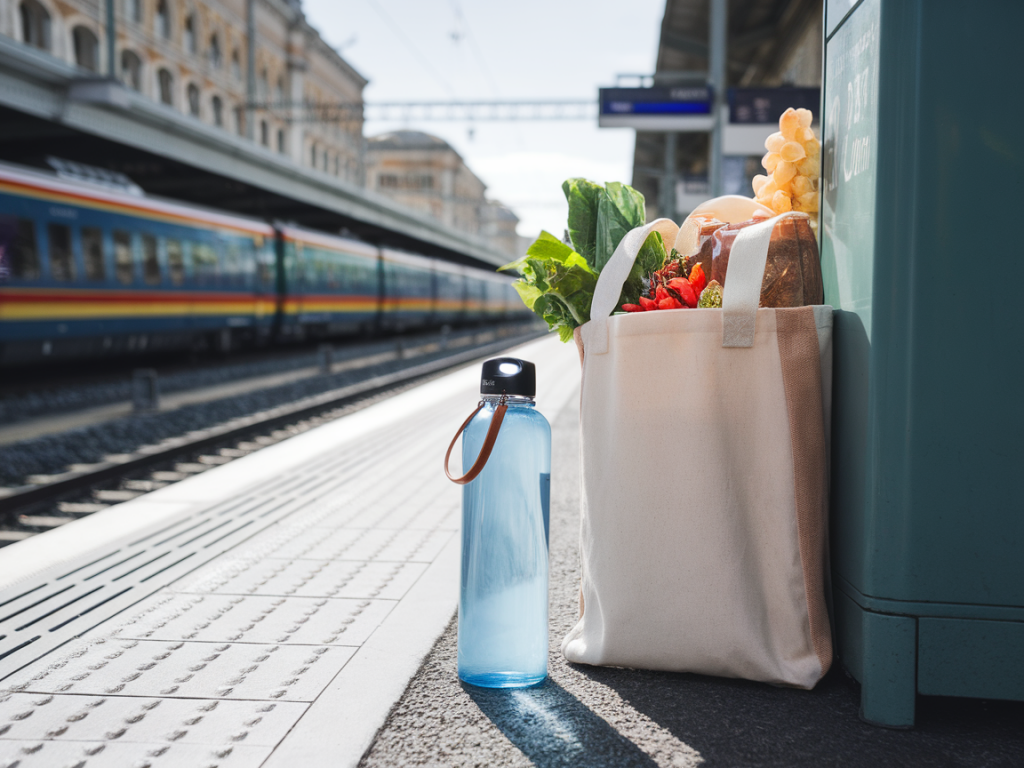
I love short trips that feel restorative without the usual waste trail — a quick escape that leaves memories, not plastic. Over the years I’ve tested ways to travel light, rely on trains and buses, and find refill stations across European towns. Here I share a practical, first-person guide to planning a zero-waste weekend trip in Europe using only public transport and refill points. Think of it as a blueprint you can adapt: routes, packing, apps, and a few on-the-ground tricks that actually make low-waste travel simple and enjoyable.
Why choose public transport and refill stations?
For me, trains and buses are part of the travel experience: slower journeys often feel more relaxed and give you time to read, people-watch, or spot unexpected landscapes. They also drastically reduce carbon emissions compared with flying. Adding refill stations to the plan lets you avoid single-use toiletries and packaged snacks, so you arrive home with fewer throwaways. It’s a tiny ethical choice that transforms the small logistics of a weekend trip into something I can be proud of.
Plan the route first — how I pick destinations
When I plan a weekend, I start with how easy the place is to reach by public transport. I use Trainline and Omio to check schedules and connections across borders — both show trains, buses and ferries and give realistic travel times. I avoid flights: the overhead time and airport single-use culture don’t suit a zero-waste mindset.
Look for towns with compact centres and good local transit or bike rental options. Smaller cities with strong rail connections — think Groningen, Strasbourg, Porto, or Ljubljana — are often easier to explore waste-free than sprawling capitals. Also, search for towns that have zero-waste shops or a lively refill culture; a quick Google search like “refill station + city name” plus a check of the Refill app (City to Sea) usually turns up useful results.
Packing: what I always bring
Packing light is crucial for a hassle-free train journey and for avoiding store-bought waste at your destination. Here’s my go-to kit:
- Reusable water bottle (0.5–1L, ideally insulated)
- Collapsible cup for coffee or takeaway drinks
- Small cutlery set and a reusable straw
- Foldable shopping bag and an insulated food bag for market finds
- Reusable toiletry bottles (50ml travel-sized compliant with any potential checked-luggage rules) or solid bars
- Solid shampoo and soap bars — no liquid limits, no leak risk
- Silicone travel pots for creams, face oils or supplements
- Quick-dry towel and a small laundry soap bar
- Mask and compact first-aid
- Small set of reusable produce bags
Brands I often recommend: Chilly's or Klean Kanteen for bottles, Ethique or Lush for solid shampoo bars, and Stasher silicone bags for flexible storage. They’re not the only options, but they’ve proved durable and easy to use on trains and in hostels.
Find refill stations and zero-waste shops
I plan where to refill before I leave. Here’s how:
- Use the Refill app (City to Sea) to locate drinking water taps and participating cafés where you can refill bottles for free.
- Search for “zero waste shop” + city name — many European cities have small refillery shops where you can top up laundry liquid, dish soap, or buy unpackaged snacks.
- Look for co-ops, bulk groceries, or health food stores; they often allow you to refill containers with grains, nuts and oils.
- Check municipal tap maps in cities with public water fountains (e.g., Rome, Paris, Berlin). They’re a great way to avoid bottled water.
When you arrive, I like to make my first stop the local market or a refill shop. It sets the tone for the trip — and avoids impulse packaging at tourist cafés.
Sample weekend itinerary — practical and low-waste
Here’s one example of how a zero-waste weekend can look. I’ll describe a generic route that works in many places: an overnight train or a day train to a nearby city, a base in a centrally located guesthouse, and a mixture of market meals and local cafés.
- Friday evening: take an intercity train to your destination (pre-book a seat). Bring a prepared picnic in reusable containers and a thermos of tea or coffee.
- Saturday morning: visit the local market — buy fruit, bread, and cheese using reusable produce bags and a small cloth to wrap fragile items. Top up water at a public tap or café.
- Afternoon: check out a zero-waste shop for refill laundry soap or olive oil. Many shops will let you weigh your container first so you only pay for product weight.
- Evening: choose a restaurant with seasonal, local dishes — request no disposable cutlery or single-use condiments.
- Sunday: take a short regional train to a nearby village or scenic spot, bring snacks from your market haul, and return home in the evening.
On-the-ground tricks that save waste
I’ve learned a few small habits that make a big difference:
- Always ask for “no straw, please” and “no napkins” where possible. It’s polite and effective.
- If you’re buying liquids at a refill shop, bring containers with clear lids and labels — staff appreciate clean, labelled jars.
- When staying in small hotels or B&Bs, bring your own bar soap and shampoo; request they skip daily replacement toiletries.
- Use local laundrettes or a sink wash with a soap bar to avoid buying single-use detergent packets or overusing hotel services.
- Carry spare absorbent cloths to wrap fresh pastries or sandwiches when you don’t want paper.
Transport booking tips and connectivity
Book trains in advance for the best fares and to secure seats. I always check:
- Direct train options vs. multi-leg journeys — fewer changes means less chance of forgetting a reusable item.
- Regional passes (Eurail for extensive travel; national passes for country-specific trips) if you plan multiple trips that weekend.
- Local transit apps and timetables — many cities have a single contactless payment option for buses and trams, reducing ticket waste.
If you need last-mile transit, I prefer public tram or bus over taxis or rideshares whenever possible. Bike rentals (city bikes) are another excellent low-waste, zero-emission way to move around town.
Simple table: a compact zero-waste weekend checklist
| Item | Why |
|---|---|
| Reusable bottle | Avoids bottled water; refill at taps |
| Collapsible cup & cutlery | For takeaway drinks and street food |
| Solid shampoo & soap | No leaks; avoids small plastic bottles |
| Silicone pots/labels | Refilling personal care at shops |
| Produce bags + shopping bag | Bulk and market purchases without plastic |
Dealing with common obstacles
Sometimes you’ll arrive somewhere without a refill shop or find a café that insists on packaged items. I try to be flexible: buy from small bakeries where bread often comes wrapped in paper (which is compostable), choose unpackaged fruit, or politely explain that I can’t accept a plastic container. Most vendors are accommodating when asked kindly.
If you forget a small item, check local second-hand stores or charity shops — they’re surprisingly good for last-minute, low-waste finds like a travel mug or a spare tote bag.
Traveling zero-waste on public transport isn’t about perfection; it’s about choices. Each small habit — bringing a bottle, stopping at a refill shop, carrying a tin for bakery, choosing a train over a plane — compounds into a lighter footprint and, honestly, a more intentional weekend. The rhythm of train stations, markets and refill shelves tends to slow me down, which is exactly what a weekend should do.