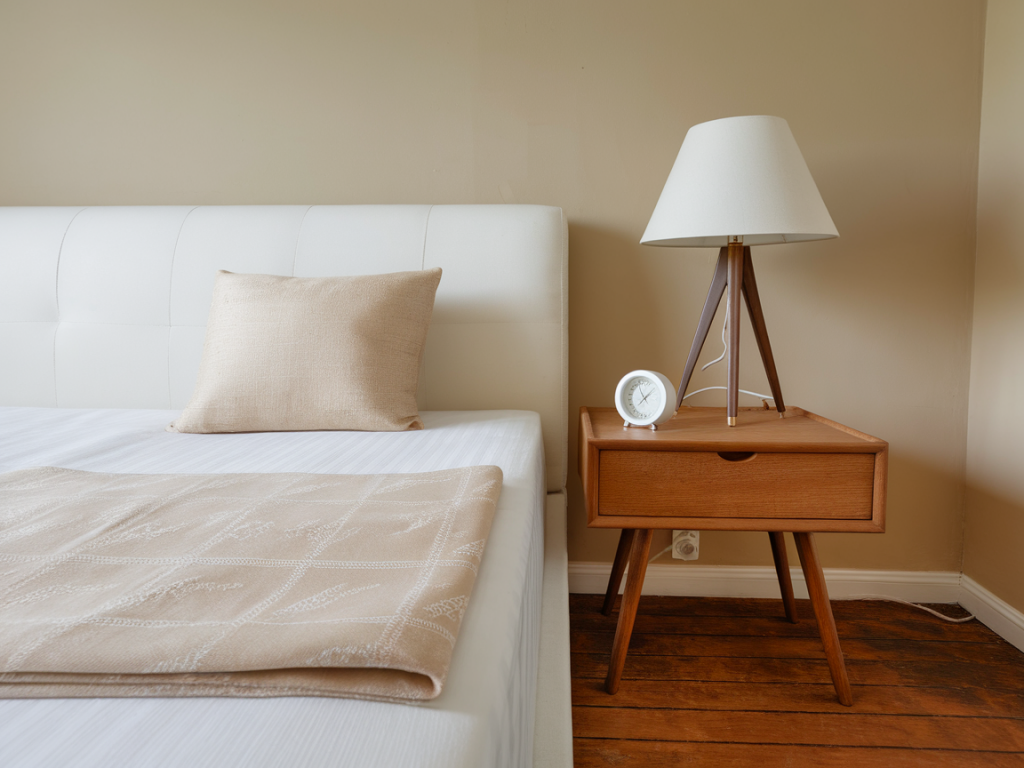
I used to think improving sleep meant an overhaul: earlier bedtime, expensive mattress, blackout curtains, a full evening ritual. Over time I learned that small, consistent tweaks—what I now call microhabits—can nudge sleep quality forward without rewriting your whole evening. These are things I’ve tested on restless nights and travel-heavy weeks, and they often make a noticeable difference even when my overall schedule stays the same.
Why microhabits matter
Microhabits are tiny behaviors you can do reliably. Their power comes from repeatability: a 2-minute tweak every day becomes a meaningful signal to your brain and body over weeks. For sleep, that signal can mean a calmer nervous system, steadier body temperature regulation, and fewer micro-awakenings—without you having to change your bedtime.
Wind-down breathwork: 2 minutes of calm
On nights when I feel wired but know I can’t move my bedtime, I use a simple breathing pattern: 4 seconds inhale, 6 seconds exhale, repeated for two minutes. This longer exhale stimulates the parasympathetic nervous system and lowers heart rate. I do this sitting at the edge of the bed or lying down with my phone on Do Not Disturb.
- When: Right before you switch off lights or when you feel your mind racing.
- Why it helps: Quick physiological downshifts without a long routine.
- How to track: A small sticky note on your bedside table or a repeating reminder on your phone.
Two-minute dimming ritual for light sensitivity
Light exposure affects melatonin. Instead of trying to blackout the whole room, I dim key light sources for two minutes about 30–60 minutes before bed: overhead lights, vanity LEDs, and the TV backlight. I don’t always need to stay in the dim light for long—my brain starts to associate the lower light level with sleep mode.
- Practical tip: Use smart bulbs (Philips Hue, IKEA Trådfri) or plug-in dimmer switches so you can lower brightness with one tap.
- Why this is micro: It takes seconds to adjust lights and sets a clear environmental cue.
Micro-cooling: a sock swap or fan for temperature control
Body temperature affects sleep onset and depth. I don’t overhaul my bedding; instead, I try tiny swaps. If I’m too warm, I switch to a thinner pair of socks (or take them off). If I’m chillier, I toss a thin cotton blanket instead of a heavy duvet for part of the night. A small desk fan aimed at a foot or the side of the bed works wonders—cooling is more effective when targeted.
- When to use: Nights when you wake hot or can’t fall into deeper sleep.
- Why it works: Peripheral cooling helps your core temperature drop, which is conducive to sleep.
Smart caffeine cutoff—tiny adjustments that add up
I don’t always need to quit coffee entirely. Instead I shift what I drink after lunch: replace one late-afternoon espresso with a chicory coffee or decaf Americano. Another microhabit is setting a simple rule—no caffeine within 6 hours of bedtime—but sticking to that rule only for weekdays. Small, consistent limits like this reduce nighttime awakenings without demanding a social or cultural change.
- Brand note: If you like the taste of coffee but want to avoid caffeine, brands like Cafix or Teeccino offer roasted, herbal alternatives that mimic coffee flavors.
Two-minute light journaling to quiet the mind
When my brain is full of tomorrow’s to-dos, I do a 2-minute "brain dump"—three quick bullets of tasks for the next day and one sentence about how I felt today. That tiny act removes clutter from working memory and reduces bedtime rumination. It’s faster than a full journaling session but often enough to stop the midnight mental checklists.
- Structure: 3 tasks + 1 reflection sentence.
- Tool: A pocket-sized notebook beside the bed or a notes app with a nightly shortcut.
Micro-exercise: short, low-intensity movement
Rather than an evening workout that energizes me, I do a 3-minute gentle stretch sequence (neck rolls, hip openers, and cat-cow). It’s enough to release muscle tension and shift the nervous system without spiking adrenaline.
- When: 15–30 minutes before bed, especially after long desk days.
- Why it’s helpful: Brief mobility resets posture and reduces physical discomfort that can fragment sleep.
Phone hygiene without full digital detox
I’m not a fan of extreme rules I can’t maintain. So my microhabit is simple: 10 minutes before bed I flip my phone face down and put it in a drawer. No apps deleted, no strict social rules—just a visible physical barrier between me and notifications. Usually that brief separation reduces the urge to doomscroll.
- Extra: Use Do Not Disturb with exceptions for urgent contacts if you need to be reachable.
Sensory anchors: a scent or sound you reserve for sleep
Sensory cues can act like Pavlovian signals. I keep an inexpensive lavender sachet in my pillowcase and a 20-minute white noise playlist (Calm or Spotify sleep tracks) that plays only at night. Over a few weeks, these small cues become associated with sleepiness.
- Low-cost options: Cotton sachets filled with dried lavender or a USB white-noise machine.
- Tip: Keep the scent subtle—overpowering fragrances can be stimulating.
Less-than-2-minute bed posture check
Right before lights out, I do a quick posture reset: lie on my back with a small pillow under the knees (or on my side with one between the knees). This relieves tension and reduces the need to reposition later. It’s a microhabitat tweak that often prevents mid-night fidgeting.
When microhabits need a nudge
Microhabits are great for incremental improvements and making sleep more resilient to travel, stress, or busy weeks. But if you’re experiencing chronic insomnia, loud snoring, or daytime sleepiness that affects functioning, you might need a deeper intervention or a chat with a clinician. I’ve found microhabits are a superb first line—low effort, low friction—but they’re not a replacement for medical advice when something more serious is going on.
How to pick the right microhabits for you
Start by choosing one to try for two weeks. I recommend a single tiny change—like the 4-6 breathwork or the two-minute light dim—and track nights you wake or feel rested. If something helps, keep it. If not, swap it out for a different microhabit.
- Keep it tiny: The smaller the habit, the more likely you are to do it consistently.
- Pair it: Attach the microhabit to something you already do (e.g., dim lights when you switch off the TV).
- Be kind to yourself: Small wins add up. One night of poor sleep doesn’t erase progress.
I’ve found that when life gets busy, these tiny rituals are the ones I can maintain—and they teach me something valuable: sleep improvement doesn’t always require grand gestures, just a few thoughtful nudges repeated over time. If you try any of these, I’d love to hear which one sticks for you—there’s something satisfying about sharing small discoveries that make nighttime feel a little gentler.