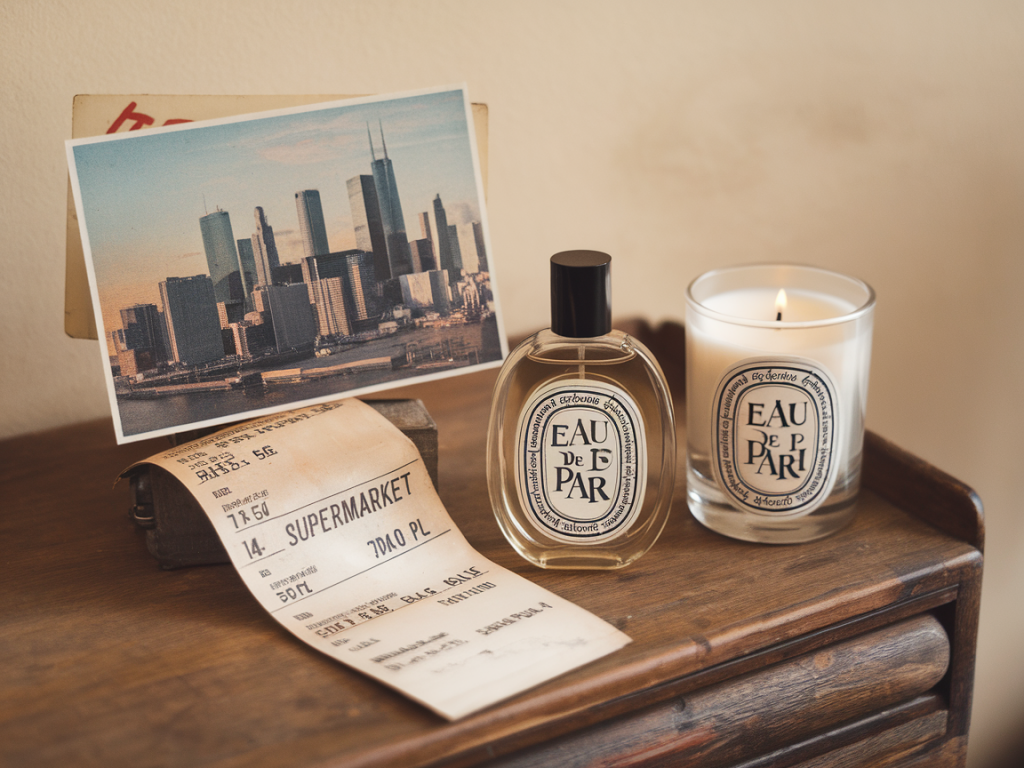
I keep a small collection of unlikely things in my bag: a postcard bought from a tucked-away secondhand stall, a crumpled supermarket receipt from a neighbourhood I was visiting, and a tiny vial of perfume I found at a flea market. Each object is ordinary on its own, but together they’ve become a kind of urban archaeology for me — a way of reading a city’s hidden history through the traces people leave behind. I want to share how these three simple items can teach you to notice the past in the present, and how curiosity can turn everyday ephemera into a map of social change, migration, commerce, and memory.
Why small things matter
We often imagine history as grand events recorded in official documents, monuments, and textbooks. But much of a city’s life — the choices people made, the trades they practiced, the routes they walked — is registered in smaller, less permanent things. A postcard, a receipt, a scent: they’re ephemeral by design. That impermanence is precisely what makes them interesting. They point to moments and routines that matter to ordinary people, and when we read them carefully, they reveal patterns official records overlook.
The postcard: image, circulation, and forgotten routes
I love postcards because they carry two stories at once: the image printed on the front and the message on the back. One I found in a market had a faded photograph of a bridge with an ornate railing. On the back, a hand-written line: "Remember when the tram ran here?" No stamp, no date — but the handwriting and the language signalled mid-20th century. That little note hinted at a vanished transport route and a life shaped by it.
Postcards are snapshots of what a city once highlighted for visitors or for itself. Look closely and you’ll see what was worth showcasing: new civic buildings, public gardens, the façade of a cinema. The absence of certain neighbourhoods in the postcard economy tells another story: the parts of the city that were invisible to city boosters or to the tourists who bought the cards.
Try this next time you find a postcard:
These small investigations can reveal economic shifts (which areas were promoted for investment), demographic changes (addresses and names can show migration patterns), and even moments of crisis (postcards produced during or after wars often change tone dramatically).
The supermarket receipt: mundane ledger, revealing economics
Receipts are boring until they’re not. I once pocketed a receipt from a supermarket in a neighbourhood undergoing rapid change: a list of items, a date, a card payment reference. At first glance it was banal. Then I noticed the brand names — a mix of familiar multinational goods and smaller, local brands that I recognised from independent shops nearby. The basket told a story of both local tastes and the creeping standardisation of food culture.
Receipts can teach you about local economies and everyday priorities:
One receipt might even trace a commuter route: time and location stamped onto a block of transactions, showing where people stop on their way to work. A trail of receipts collected from different shops across weeks can sketch a daily geography of a neighbourhood in a way census data rarely can.
The single scent: sensory memory and cultural layering
Scent is the most immediate but least documented historical clue. A single perfume or the lingering smell of spices can connect present spaces to past ones. In a market alley I once paused because of a fragrance — a blend of rosewater and cardamom — that instantly transported me to a kitchen where a grandmother was kneading dough. The scent wasn’t on any map, but it signalled a living cultural presence.
Scent reveals migration and persistence in ways visual records can miss. A bakery’s cardamom scent can index an immigrant community’s culinary traditions. The perfume sold in a small shop might be a product line from a specific country, suggesting trade routes and diasporic networks. Smells also survive through adaptation: younger residents may mix traditional ingredients with new foods, creating hybrid olfactory signatures that tell a story of cultural fusion.
To explore scent as history:
Putting the three together: a small-method field guide
When I combine a postcard, a receipt, and a scent from the same area, a city’s hidden history starts to cohere. For example, a postcard showing a railway terminus, receipts listing goods from a particular region, and the scent of spices can indicate a history of migration linked to transport hubs. That pattern explains how certain communities settled, what trades they established, and how urban design shaped their movement.
Here’s a simple method you can try on your walks:
Doing this regularly turns curiosity into a gentle research practice. You’ll start to notice the invisible scaffolding of decisions — trade links, migration flows, advertising strategies — that shape a city.
Why this kind of looking matters
Reading a city through ephemeral objects is a practice of attention. It resists the grand narratives that can obscure everyday lives and instead honours the small, ordinary choices that make a place what it is. It’s also democratic: these traces belong to anyone who cares to look, and they can reveal histories that official archives ignore.
If you’re curious to try it, I encourage you to wander with a light touch, a respectful curiosity, and a notebook. Share a find on Discoverblog Co (https://www.discoverblog.co.uk) — I read every message and love hearing about unexpected discoveries. These tiny objects don’t just tell stories about the past; they invite us to participate in the present, noticing the threads that connect where we live to where we and others have come from.