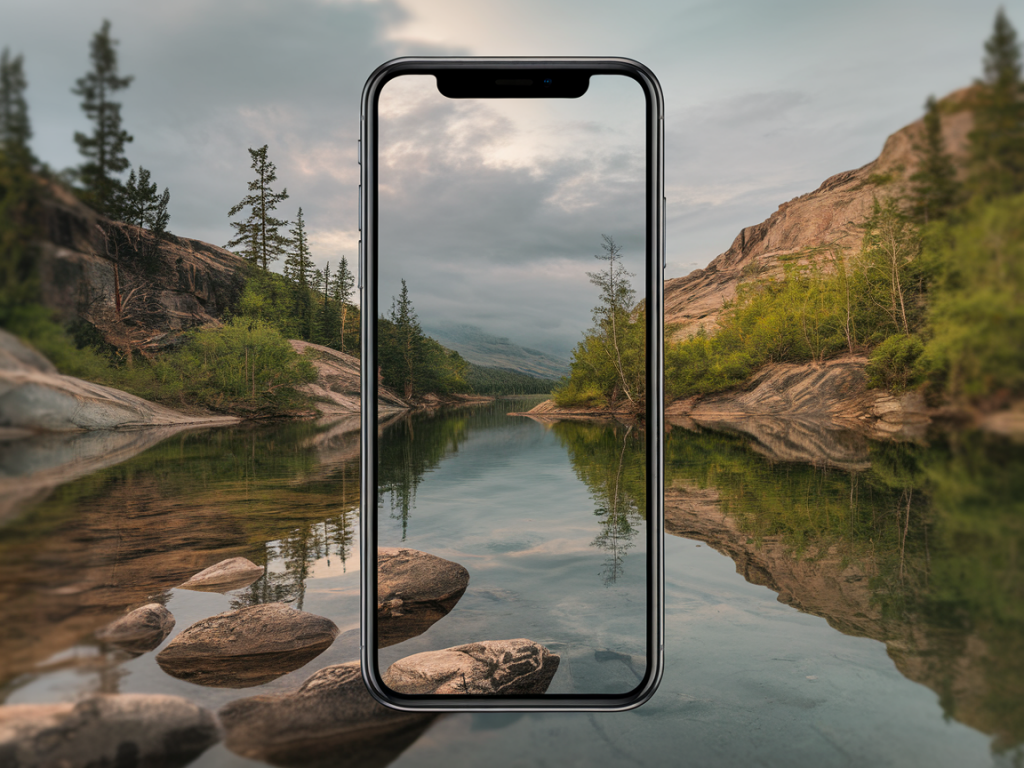
I used to think magazine-worthy photos required a full frame camera, a closet full of lenses and an art director barking orders. Then one summer I started photographing tiny daily scenes with nothing but my phone — a coffee cup catching the sun, my cat mid-yawn, a rainy shopfront — and realised that the ingredients for a polished, editorial look were less about kit and more about attention. Here are the practical habits and simple tricks I now use to turn ordinary moments into images that feel thoughtful, cinematic and ready for a spread.
See like an editor: look for a story
Before I tap the shutter I ask myself: what’s the story here? A photo that feels magazine-worthy usually hints at something — a mood, a relationship, a small narrative. Maybe it’s the way steam curls off a mug, a pair of shoes left by a doorway, or the way light slices through blinds onto a face. Once you know the story, composition, light and timing fall into place.
Composition that reads well on small screens and in print
I rely on a few compositional tools that always help:
- Rule of thirds: Turn on the grid in your camera app and place key elements along the lines or intersections.
- Negative space: Leave breathing room. A subject placed against a clean background feels editorial and modern.
- Leading lines: Use roads, railings or shadows to guide the eye toward your subject.
- Frame within a frame: Doorways, windows or even hands create a natural frame that feels intentional.
- Layering: Foreground, midground and background create depth — try shooting through foliage or a translucent curtain.
Light: make it your co-photographer
Light is the single biggest factor that makes a photo look professional. I chase light more than subjects. A few rules I follow:
- Golden hour: Early morning and late afternoon produce soft, warm tones and gentle shadows. I plan simple shoots around these windows whenever possible.
- Backlight and rim light: Placing the sun behind a subject creates a glow around edges and lends a dreamy, editorial feel.
- Diffused light: Overcast days are a boon — they give even, flattering light that works for portraits and product shots alike.
- Use reflections: Puddles, shop windows and metallic surfaces add interest and can create symmetry or abstract doubles.
Get close — and vary your distances
Smartphones have excellent wide lenses; use that to your advantage. I mix wide environmental shots that show context with tight details that feel intimate: textures, hands, crumbs on a plate, the stitching on a coat. Switching between wide, medium and close-up shots gives you a mini story set to choose from later.
Mind the background and declutter
In busy scenes I physically move either the subject or myself to clean the background. A distracting trash bin or a bright poster can ruin an otherwise perfect shot. A simple solution: change angle, step closer, or use a tighter crop in post. I often tilt my phone slightly to exclude unwanted elements rather than move furniture.
Use portrait mode — but don’t overdo it
Portrait or depth mode is fantastic for separating a subject from the background. I use it for people, flowers and products to create that shallow depth-of-field look. But be mindful: on some phones the edge detection can be messy around hair or glass. Check the edges and, if needed, switch to a regular photo and tweak with selective blur in an editing app.
Stability, movement and timing
Sharpness matters. I keep a steady hand or prop my phone on a stable surface for static scenes. For low light, I’ll use a small tripod — Joby makes compact options — or lean the phone against something sturdy. When capturing movement, I experiment with burst mode to pick the precise frame where the expression or action lands perfectly.
Camera settings and practical tips
- Lock exposure and focus: Tap and hold on your subject (on iPhone and many Androids) to lock AE/AF for consistent results.
- Shoot in RAW if available: Phones like recent iPhones (ProRAW) and many Androids let you capture more data for editing. RAW gives flexibility with highlights and shadows.
- Adjust exposure manually: If your subject is underexposed or blown out, drag the exposure slider down or up until the preview looks right.
- Use grid and level: The grid helps with composition; the level ensures horizons and architecture are straight.
- Prefer natural light to flash: Built-in flash often flattens a scene. If you need extra light, try a portable LED panel or bounce nearby light.
Simple editing that elevates
Editing turns a good phone photo into a polished image. I keep edits subtle: adjust exposure, contrast, highlights and shadows, then refine color temperature and saturation. A few apps I use regularly:
- Snapseed: Great for precise tweaks and selective adjustments.
- Lightroom Mobile: Powerful RAW editing and presets for a consistent look.
- VSCO: Lovely film-like presets if you want a moody or vintage vibe.
- TouchRetouch: For removing small distractions like a stray wire or blemish.
I make a preset or two with my favourite settings — consistent tone and contrast go a long way in making a collection of images look like part of the same editorial story.
Styling and tiny props
Little details read as intentional in photos: a folded newspaper, a tea towel with a nice texture, a vintage spoon. I keep a small kit of props (a linen napkin, a neutral mug, a couple of textured textiles) in my bag for impromptu shoots. When photographing people, I ask them to interact — sip, walk, fix their hair — instead of saying “smile,” which often produces more natural, magazine-feel moments.
Be patient and playful
Some of my favourite shots happened because I hung around. Capture a sequence: the preparation, the pause, the aftermath. Try different angles — get low, climb a step, shoot through leaves — and don’t be afraid to take many frames. The best photos are often the result of playful experimentation and a little patience.
Ethics and permission
If you’re photographing people, especially in private situations, ask for consent. For street photography, a friendly chat afterwards usually builds goodwill and often results in better, more cooperative portraits. I try to be respectful — a polished image shouldn’t come at the cost of someone’s privacy or comfort.
Photographing everyday moments with a smartphone is about curiosity, composition and kindness to light. With a few practical habits — paying attention to storytelling, mastering light, framing carefully and doing subtle edits — you can create images that feel intentional, polished and, yes, magazine-worthy. Keep experimenting; the ordinary holds a thousand little editorial scenes waiting to be noticed.