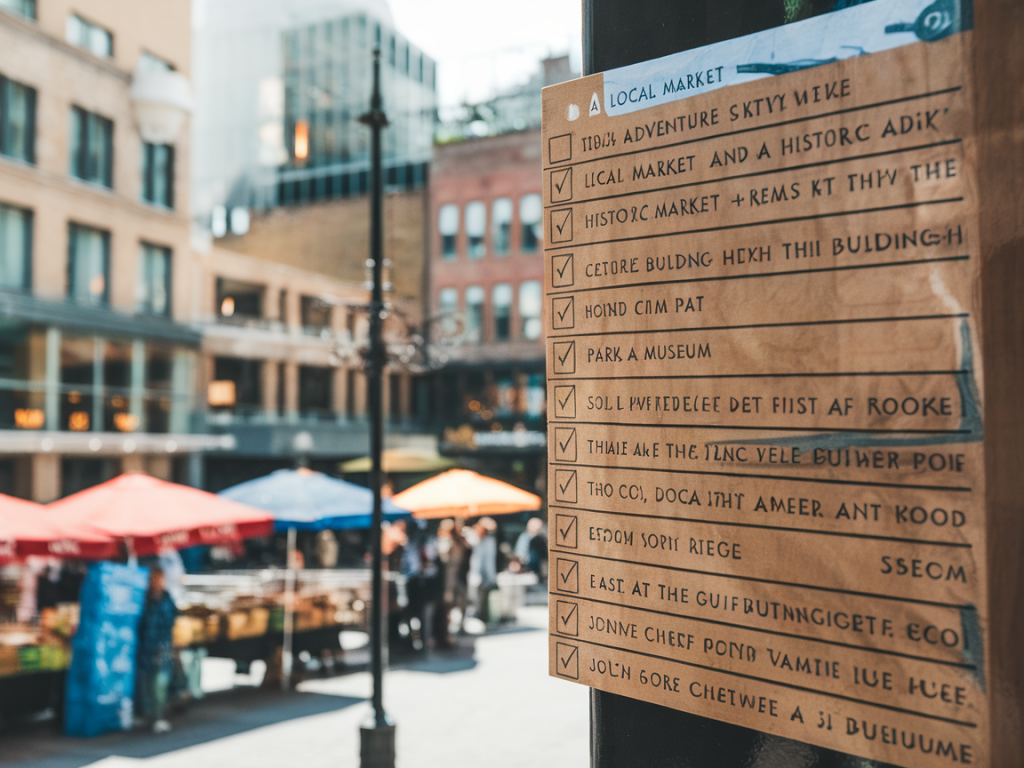
I used to think a proper adventure required a packed bag, a map with contour lines, and at least a weekend. Then I started treating a 30-minute city walk the way I treat a new book: an invitation to notice, ask questions, and collect small surprises. The result? A repeatable, low-effort ritual that turns errands or lunchtime strolls into micro-adventures. Below I share the exact curiosity checklist and practical tips I use to transform a brief urban wander into something that feels fresh and a little magical.
Why a 30-minute city walk can be an adventure
People ask me: "Can something meaningful really happen in half an hour?" Yes. Shorter experiences force attention. When time is limited, you notice detail rather than drift. Cities are dense with stories—shopfronts, odd architectural details, street names, the way light falls through alleyways. A focused walk reframes what you already pass every day.
Another question I hear: "What if I’m not in a particularly interesting neighbourhood?" That’s actually an advantage. Mundane places reveal subtler curiosities: a pattern of cracked paint on a lamppost, a tiny community noticeboard, or the scent of a bakery that suggests a new morning ritual. The point isn’t novelty alone; it’s curiosity and how you train your eye to find it.
What I bring (and what I leave at home)
Minimal kit keeps the mood playful. I take:
What I deliberately leave behind: headphones most of the time. I want to hear the city—conversations, trams, birds, distant music. If I do listen to something, it’s very intentionally chosen (a single song or a short podcast episode that complements the walk’s mood).
The curiosity checklist — use it as a scavenger hunt
Turn your walk into a micro-adventure by treating this checklist like a scavenger hunt. You don’t need to complete every item; aim for three to five discoveries. The checklist makes you look differently and gives small goals that add delight.
How I plan a 30-minute route
Planning should be light and playful. I usually:
If you use apps, I like Google Maps for basic routing and Citymapper for public transport timing. But I avoid turning the walk into an app-driven mission—let the phone be a tool, not the boss.
Playing with the senses
We often walk on autopilot, visually scrolling instead of seeing. I suggest short sensory challenges:
These micro-experiments slow you down and reveal layers of the city that are easily missed.
Turning finds into stories
I keep a small ritual: when I return, I spend five minutes expanding one item from the walk into a paragraph in my notebook. Maybe it’s the woman who was humming while she watered a window box, or the tiled pattern I saw on a café floor. That short act of writing turns an observation into a memory and often seeds a longer piece for the blog.
People sometimes ask: "What about safety and privacy?" Be mindful of photographing people—ask permission if someone is the main subject. Keep valuables secure and stick to lit, populated streets if it's early morning or late evening.
Practical tips to make micro-adventures stick
Questions readers often ask
Q: What if I don’t have time to stop and write?
A: Even one line in your phone counts. A short anchor—"blue door, bakery steam"—is often enough to bring back the memory later.
Q: Can kids join these walks?
A: Absolutely. Children are natural curiosity experts. Give them a simple task from the checklist—find three different leaves, or spot a red object—and let their enthusiasm guide you.
Q: Will this work in rainy weather?
A: Rain changes the city; reflections, fresh smells, puddle textures. Bring a compact umbrella and embrace it. If it’s truly stormy, postpone—safety first.
These short micro-adventures aren’t about sightseeing like a tourist. They’re about training your curiosity so your daily routes turn into moments of discovery. Try one today: pick a loop, take the checklist, and see which small wonder changes your view of the city on the way back home.