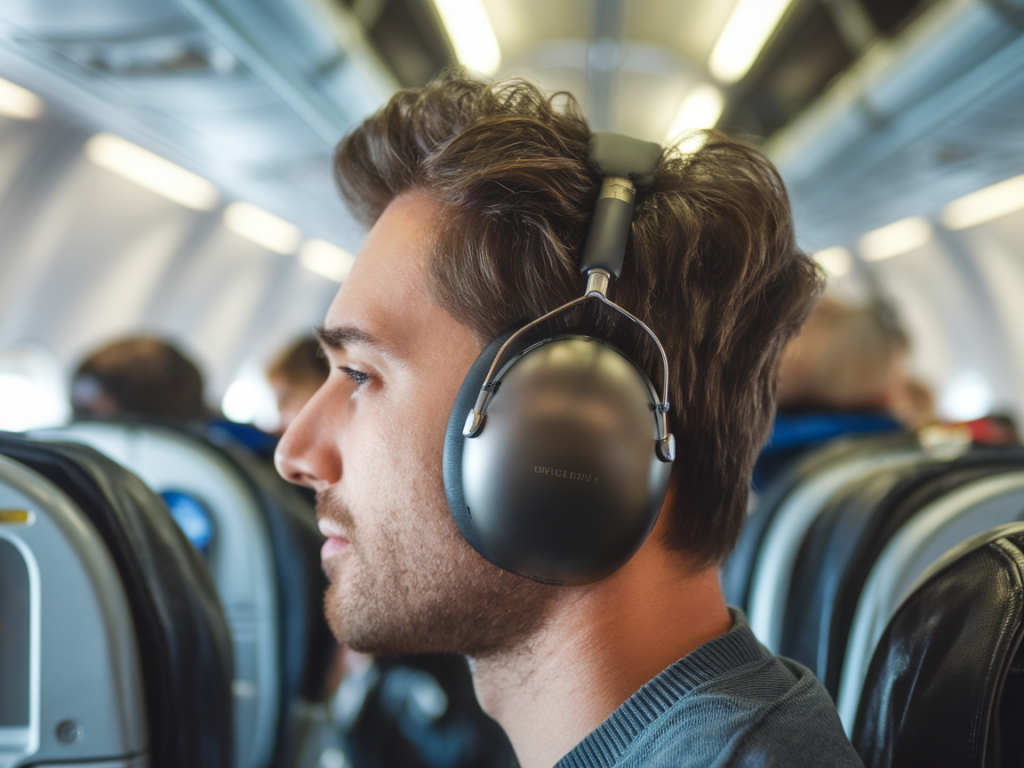
I fly a lot for work and pleasure, and over the years I’ve tried more pairs of earbuds on airplanes than I care to admit. Airplane cabin noise is a unique beast: a steady, low-frequency rumble from engines, layered with higher-frequency air conditioning and the occasional clink of a meal trolley. The truth I’ve learned is simple: no budget earbud will make a plane sound like a quiet library, but the right pair can dramatically reduce fatigue, protect your ears, and let you hear music or an audiobook much more clearly.
What I mean by “budget” and what to expect
When I say “budget,” I’m thinking roughly under £100 / $100–$120. In that price range you can get decent active noise cancellation (ANC), solid battery life, and usable sound quality. What you shouldn’t expect is perfect noise-free silence or the refined ANC tuning of flagship models (like the latest Sony WF-1000XM or Apple AirPods Pro). Instead, aim for earbuds that specifically reduce low-frequency rumble (the engine) and seal your ear canal well—those two things combined make the biggest difference on a plane.
How ANC in earbuds works — and what helps on a plane
ANC works by using microphones to pick up external noise and creating an inverse soundwave to cancel it. There are two practical takeaways for flying:
- Low-frequency performance matters most: Engine and cabin hum sit mostly under 500 Hz. Earbuds with ANC that target this band give the greatest perceptible relief.
- Good physical seal is essential: ANC helps, but a poor seal lets rumble leak in. Foam tips or well-fitted silicone tips can improve passive isolation dramatically.
Other features that matter for air travel
Beyond ANC and fit, consider these travel-specific features:
- Battery life: Look for earbuds with 6+ hours of ANC playtime (more if you don’t want to recharge on long-haul flights).
- Comfort: You’ll be wearing them for hours—lightweight, low-pressure buds and multiple tip sizes help.
- Transparency or Ambient Mode: Useful for announcements without removing earbuds.
- Multipoint pairing: Handy if you switch between laptop and phone during a flight.
- Codec support: AAC or aptX can improve latency and quality; not essential for ANC effectiveness but nice for listening experience.
Budget ANC earbuds I’ve tested and recommend
Below are budget models that I’ve used on flights and found helpful. They each have strengths depending on what you prioritize—ANC strength, comfort, or value.
| Model | Approx. price | ANC | Battery (ANC on) | Why I like it |
|---|---|---|---|---|
| Anker Soundcore Life A2 NC | £50–£70 | Hybrid ANC (good for low rumble) | 7–9 hours | Excellent price-to-performance, comfy, strong passive isolation with foam tips |
| EarFun Air Pro 3 | £60–£90 | Impressive ANC for the price | 7–9 hours | Balanced sound, good ANC, comfortable for long wear |
| Samsung Galaxy Buds 2 | £80–£100 | Solid ANC | 5–7 hours | Great fit, touch controls, good app tuning |
| Soundcore Life P3 | £50–£80 | Decent ANC with travel modes | 6–8 hours | Fun sound profile, multiple ANC modes, affordable |
Practical tips for using budget ANC earbuds on a plane
Here are the habits and small adjustments that made the biggest difference for me:
- Use foam tips if you can: Memory foam tips expand to seal your ear canal and improve both passive isolation and ANC performance. Many aftermarket brands are inexpensive and compatible.
- Test multiple ear-tip sizes: Comfort isn’t one-size-fits-all. A better seal can mean less ANC required and better battery life (you’ll listen at lower volumes).
- Turn off transparency when you don’t need it: Transparency mode is handy for announcements, but it defeats ANC—switch it off during cruising.
- Pair with your inflight device first: If you’re watching an in-flight movie on the plane’s system, latency matters—earbuds with low-latency modes or aptX Adaptive help, otherwise you may notice audio-video lag.
- Keep volume moderate: ANC lets you hear content at lower levels. Lower volume is better for long flights and ear health.
- Charge before boarding: Airlines rarely have easy charging points at your seat. A fully charged case is your backup on long trips.
How I pick the right pair when shopping
When I’m choosing a new travel pair, here’s my checklist:
- Does it advertise ANC specifically for low frequencies or “engine noise”?
- Are foam tips available or included?
- How long does the battery last with ANC on?
- Does the manufacturer have an app with ANC tuning or EQ?
- What do reviewers say about comfort over long periods?
If a model satisfies the first three points, it’s usually worth a shot for flying. If the app lets you tune ANC and EQ, that’s an extra advantage because you can dial down or up certain bands to suit a noisy cabin.
Realistic expectations and final travel-minded advice
In my flights, the best budget ANC earbuds don’t eliminate the hum completely, but they make a big difference in reducing fatigue and letting me enjoy podcasts, music, or sleep. Combine ANC with a good fit (foam tips if possible), give yourself a fresh battery before boarding, and keep volumes reasonable. If you can stretch your budget slightly, models like the Samsung Galaxy Buds 2 or slightly older Sony or Sennheiser models inch closer to flagship performance without the flagship price.
If you’d like, tell me your typical route (short-haul vs long-haul), budget, and whether you prefer music or sleep on a plane—I can suggest the single best model for your needs and tips on fitting the earbuds for maximum comfort.