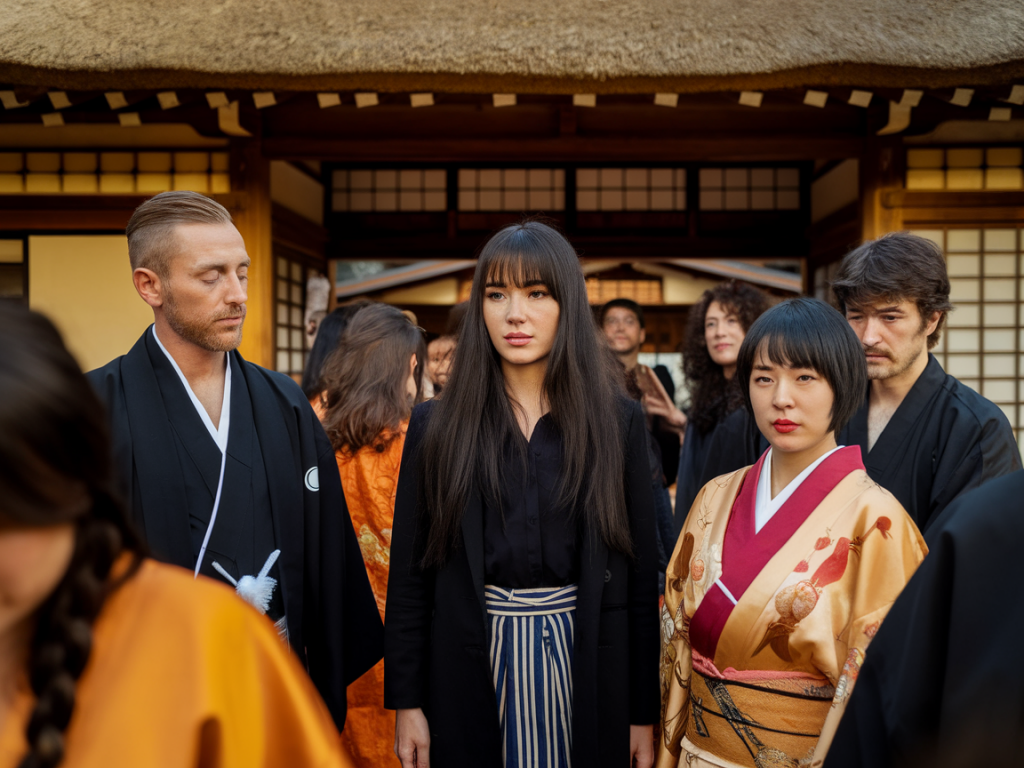
I still remember the first time I realized I had committed a tiny cultural misstep in Japan. I had slipped on my shoes at the genkan (entryway) of a friend's home without making a proper show of removing them, and they gently laughed and handed me a pair of slippers. It was a small moment, but it taught me how easily an innocent action can read differently in another culture — and how a little awareness can turn awkwardness into a warm exchange.
Japan rewards attention to detail and quietly signaled respect. Many "faux pas" aren't dramatic breaches; they're subtle cues that, when missed, can make locals feel uncomfortable rather than offended. Over multiple trips and after chatting with friends who live there, I've learned a toolkit of small habits that help me travel with curiosity and respect. Below are common subtle missteps you might not think of, why they matter, and simple alternatives that feel natural to adopt.
Silence on public transport: why quiet matters
In many Western cities, trains are noisy backdrops for calls and conversations. In Japan, public transport is a place of relative quiet. Phones set to silent, low-volume media, and discreet conversations are the norm. Speaking loudly on a call or playing videos without headphones can be jarring.
- Do: Keep your phone on silent, use headphones for music or videos, and step off the train to take a call.
- Don't: Speak loudly, place your phone on the seat or make video calls on crowded carriages.
One habit I adopted early was to angle my body slightly towards the train doors if I needed to whisper to my travel partner — a tiny signal that we were trying to be unobtrusive.
Shoes, slippers, and the genkan ritual
Shoes are more than footwear in Japan; they mark transitions between public and private spaces. Removing shoes at home, certain traditional ryokan (inns), temples, and some restaurants is common. What surprised me initially was the nuanced slipper culture — slippers for indoors, separate bathroom slippers, and no slippers at tatami rooms.
- Do: Look for shoe racks or a step up at the entrance. If slippers are provided, change into them. Switch to bathroom slippers only while in the restroom, and remove them after.
- Don't: Wear outdoor shoes into someone's home or onto tatami mats, and don't wear bathroom slippers elsewhere.
At a ryokan, I learned to tuck my shoes neatly with toes pointing outward — a small gesture of care that's appreciated more than you'd think.
Eating on the go — surprising rules around food
In many parts of Japan it's common to eat delicacies you’ve bought at a convenience store or train station, but in urban areas eating while walking can be frowned upon. This ties to ideas of cleanliness and consideration for others.
- Do: Eat at designated spots, sit on benches or in cafes, and finish snacks before moving into crowded areas.
- Don't: Walk down busy streets eating messy foods — save those for a quiet pause.
I found that carrying a small pack of tissues and a resealable bag for packaging wrappers made me feel prepared and respectful when snacking between stops.
Tipping — what to do (and what not to)
Tipping can be awkward when you're used to leaving gratuities. In Japan, service charges are typically included and overtipping can confuse staff. Exceptional gestures, like thanking the chef in a small note or buying someone a drink, are more culturally aligned.
- Do: Express gratitude verbally — a sincere "arigatou gozaimasu" goes a long way. If you want to show appreciation, small gifts or buying extra items can be appropriate.
- Don't: Insist on leaving cash for waitstaff — it may be politely returned or create an awkward moment.
Onsen (hot springs) etiquette — what to watch for
Visiting an onsen was one of my favorite Japanese experiences, and it has specific unspoken rules: wash thoroughly before entering, keep towels out of the water, and respect nudity norms (onsen are typically segregated by sex).
- Do: Rinse and soap yourself at the shower stations, keep your small towel folded on your head or beside the bath, and follow posted signs.
- Don't: Enter the communal bath without washing, bring towels into the water, or swim.
As someone who soaked in those steamy pools more than once, I can say that asking quietly at the front desk if you're unsure is totally fine — staff are used to guiding travelers.
Gift giving and receiving — small rituals with big meaning
Exchanging gifts is a layered ritual in Japan. How you present and accept a gift matters: use both hands, offer a small bow, and avoid immediate unwrapping in front of the giver unless they're encouraging you to open it.
- Do: Present and receive with both hands, and prepare a modestly wrapped item if you plan to thank a host.
- Don't: Hand a gift with one hand or appear impatient about unwrapping.
On one trip I brought a jar of English marmalade as a hostess gift. I wrapped it simply but neatly; my host's delighted reaction reminded me that thoughtfulness matters more than extravagance.
Business cards (meishi) — treat them with care
In professional contexts, exchanging meishi is an almost ceremonial act. Present your card with both hands and take a moment to read the card you receive before putting it away carefully (not shoved into a pocket).
- Do: Use both hands to offer and receive, take a moment to look at the card, and place it in a cardholder.
- Don't: Fold or write on a business card in front of the giver.
Photography — when to ask and when to step back
Japan is endlessly photogenic, but some places and subjects require discretion. Shrines, private gardens, and people — especially in quiet neighborhoods — deserve respect. Photographing individuals without consent can feel invasive.
- Do: Pay attention to signage, ask for permission where appropriate, and use respectful distance and lenses.
- Don't: Take photos during private ceremonies, in changing rooms, or of people who’ve indicated they prefer not to be photographed.
Small gestures that signal respect
There are dozens of tiny habits to pick up that make a big difference. A few I intentionally practice:
- Bowing instead of a handshake in formal settings, with a slight nod for casual greetings.
- Keeping voices low in restaurants and waiting areas rather than filling spaces with laughter or music.
- Carrying cash and small change — many smaller shops and temples prefer cash payments.
A quick do/don't reference
| Situation | Do | Don't |
|---|---|---|
| On trains | Use headphones; keep phone silent | Make loud calls or play audio out loud |
| At a home or ryokan | Remove shoes; use slippers appropriately | Wear outdoor shoes on tatami |
| In onsen | Wash before entering; keep towel out of water | Enter without washing or swim |
| Gift exchange | Use both hands; be modestly wrapped | Hand over carelessly or expect immediate opening |
My best advice? Travel with humility and curiosity. When you're unsure, observe others, follow posted signs, and ask quietly — people generally appreciate the effort. Cultural sensitivity isn't about perfection; it's about intention and the willingness to learn. These small adjustments have made my trips to Japan smoother, and they've opened doors to surprising conversations and kinder exchanges. If you keep an open mind and enjoy the learning process, even missteps can turn into memorable stories.