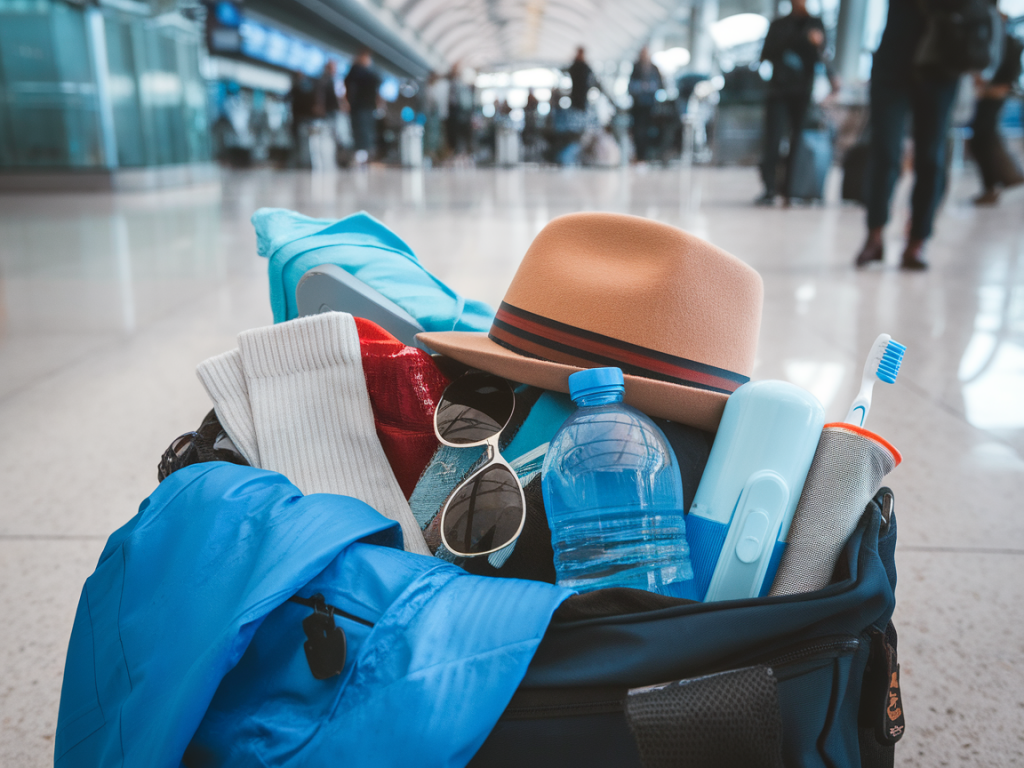
Why I pack like I might live out of my carry-on
I once had a trip where sunshine in Lisbon turned into rain in Copenhagen, then an airport delay stretched a six-hour layover into a near-overnighter. Since then, I treat a carry-on like a small, smart home: able to handle temperature swings, sleep in odd places, and freshen up on the fly. Below are the practical items and the mindset I rely on for unpredictable weather and long layovers.
The guiding principles
- Layer, don’t bulk: Thin layers trap heat better than one big coat, and they give you flexibility when airports blast AC or an unexpected storm rolls in.
- Choose fabrics that perform: Merino wool and technical knits breathe, resist odor, and dry fast. Cotton is comfortable but heavy when wet.
- Pack for comfort and function: Long layovers are naps-in-public events. Think about light-blocking, noise reduction, and keeping essentials within reach.
- Plan for hygiene and quick refreshes: Wet wipes, a small spray, and a toothbrush can shift you from “spent traveler” to “presentable for the next leg.”
Essential clothing (carry-on friendly)
My capsule for a 7–10 day trip I’ll be mostly wearing from the carry-on includes:
- Lightweight packable jacket: I love a compressible down or a synthetic puffer that folds into its own pocket (Patagonia, Uniqlo, or Montbell do good ones). Water-resistant shells are even better when rain is a possibility.
- Thin rain layer/compact umbrella: A tiny travel umbrella or a water-resistant shell keeps you nimble. I keep both if rain is likely.
- Merino base layers: One or two merino tees — they’re odor-resistant so you can wear them multiple times between washes.
- Convertible trousers: Zip-off or lightweight stretch pants that dry fast. I often wear the heaviest pair on the plane.
- Comfortable shoes + foldable backup: Wear supportive trainers for the airport; pack a pair of foldable flats or lightweight slip-ons in case of wet weather or for lounges.
- Extra socks and underwear: At least one extra pair of socks and underwear in your carry-on for emergencies or layovers that stretch overnight.
- Scarf or travel blanket: A large scarf (cashmere or synthetic) is useful as a neck wrap, pillow, or extra warmth layer.
Toiletries and quick-fix grooming
Keep liquids within the 100 ml rule and use clear quart-size bags for security. My small but mighty kit:
- Travel toothbrush and toothpaste (or disposable brush)
- Face wipes and a small face wash (100 ml)
- Multi-use balm (lips, cuticles, dry spots)
- Deodorant (solid sticks are easiest)
- Hand sanitizer and a small tube of sunscreen
- Dry shampoo in travel size (helps after long delays)
- Compact travel towel or microfiber cloth
Sleep and lounge survival tools
Long layovers demand a kit that helps you sleep anywhere.
- Compact inflatable pillow: Choose one that packs small and inflates quickly. I prefer models with a memory foam option or a velour cover.
- Noise-cancelling earplugs or headphones: Earplugs are essential; for longer flights, ANC headphones (Bose, Sony) are worth the investment.
- Eye mask: A padded mask that blocks light makes a huge difference.
- Compression socks: Wear them on long flights and keep a spare pair in your bag.
Tech, documents, and power
These are the things I want first and foremost in an easily accessible pocket.
- Passport, travel wallet, printed boarding passes (when needed), and a photocopy of important documents in a zip bag
- Phone, e-reader or tablet, and a lightweight laptop if needed
- High-capacity power bank (20,000 mAh if you’ll be away from outlets); a small charging cable kit with USB-C and Lightning
- Compact universal adapter (with foldable prongs)
- Bluetooth earphones for calls and entertainment
Food, hydration, and small comforts
Airports can be expensive and unreliable. I always pack:
- A reusable water bottle (collapsible if you’re trying to save space); fill it after security
- Protein bars, mixed nuts, or instant miso soup sachets — foods that travel well and don’t need refrigeration
- A small coffee sachet or tea bags if you know you’ll crave a familiar brew
- Mints or gum for cabin pressure changes
Packing system and organization
How you pack matters. I use packing cubes and a toiletry organizer to keep things reachable during long transfers.
- Packing cubes: One cube for tops, one for bottoms, and a small one for underwear and socks. This lets me pull an outfit without unpacking everything.
- Clear zip bags: For receipts, medications, and documents. Transparency helps at security and if you have to show prescriptions.
- External stash pocket: Keep your phone, passport, and pen in an external pocket — perfect for moving through immigration quickly.
Medication and first-aid
Even if you’re mostly healthy, small things can derail a trip.
- Prescription medications in original packaging and a copy of the prescription
- Pain relievers, antihistamines, motion-sickness tablets
- Band-aids, antiseptic wipes, and a small blister kit
- Oral rehydration salts or electrolyte tablets for long flights
Mindset for unpredictable weather
When the forecast isn’t cooperating, think in outfits rather than single pieces. I pack items that mix-and-match and layer easily: a merino tee, a long-sleeve button, a lightweight sweater, and a weatherproof shell. That combo covers sunny mornings, windy afternoons, and rainy evenings.
Practical security and airline rules
Keep liquids in a single clear bag under 1 litre and each container under 100 ml. If you’re traveling with a camera, put it in your carry-on — airlines can mishandle checked gear. Weigh your bag before you leave home; many carriers enforce strict carry-on limits and fees can be a nasty surprise.
Example carry-on capsule (table)
| Item | Reason |
|---|---|
| Packable down jacket | Warmth that compacts into a small pocket |
| Merino tee (x2) | Breathable, odor-resistant base layer |
| Lightweight trousers | Comfortable and quick-drying |
| Foldable flats / slip-ons | Alternate to wet shoes or for lounges |
| Micro towel + travel soap | Freshen up in an airport bathroom or shower |
| Inflatable pillow + eye mask + earplugs | Turn a bench into a nap-friendly setup |
Layover tips I actually use
- Find a quiet gate or airport lounge — even a single-entry lounge pass (Priority Pass or pay-per-use) can transform a 6–8 hour wait.
- Freshen up in a family/accessible restroom if lounges are full — they often have benches to lie down and more space.
- Use an airline app to monitor boarding changes; sometimes a delay gives you time to nap, but a late gate change can ruin a sleeping plan.
- If you have a very long layover and visas/entry rules allow it, step out to explore — even a short walk in a nearby neighborhood feels restorative.
Pack with intention, and your carry-on becomes more than luggage — it's a tiny toolkit that adapts to weather, comfort needs, and the inevitable airport surprises. When I travel this way, I feel less reactive and more curious about the journey, which makes even a long layover feel like part of the adventure.