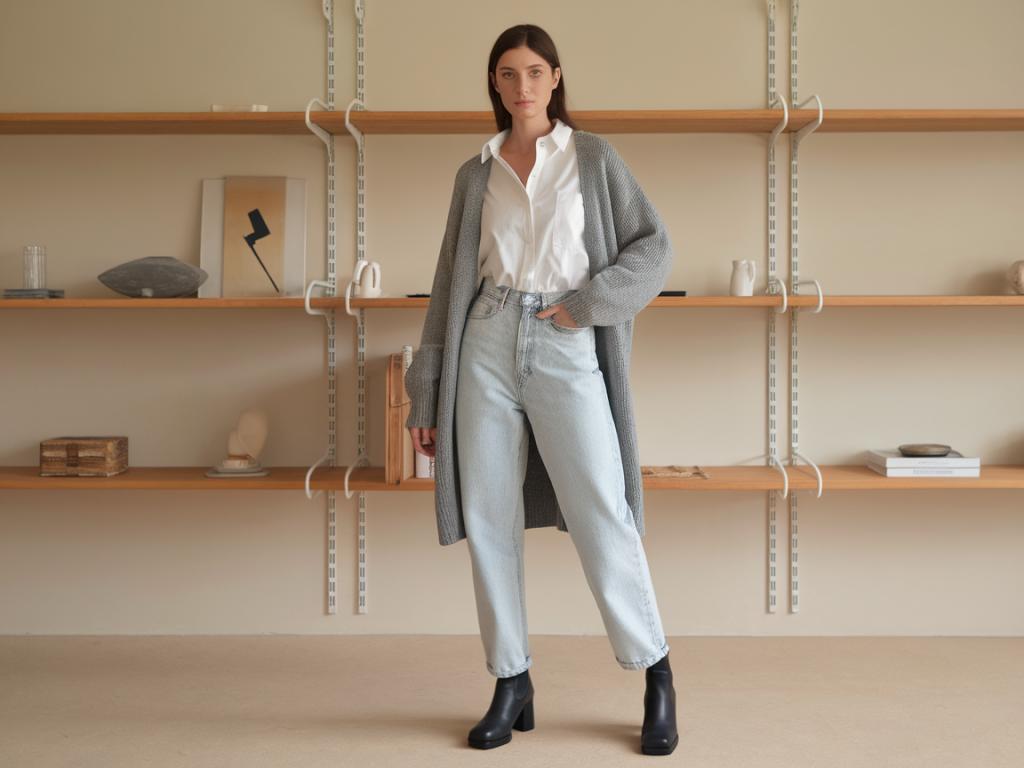
I’ve been slowly paring down my closet for years, not out of austerity but because I wanted clothes that genuinely spark joy and make getting dressed feel easy. A minimalist wardrobe doesn’t need to be boring or impersonal — in fact, I find it more freeing. When you keep fewer pieces, each item matters more. That means choosing garments that reflect who you are, suit your life, and bring a little pleasure every time you wear them. Below I share the practical steps, mindset shifts, and small joyful touches I use to curate a minimalist wardrobe that still feels deeply personal.
Start with an honest wardrobe audit
Before buying or discarding, take stock. I empty my closet and drawers onto the bed and handle each piece — yes, touch matters. Ask yourself:
If an item hasn’t been worn in over a year and there’s no sentimental reason to keep it, it’s a good candidate for donation, repair, or resale. I find that photographing pieces before letting them go helps — sometimes seeing an item in a photo reveals whether it truly sparked joy or just guilt.
Define your style and a wearable palette
Minimalism works best when it’s focused. I spent time pinning outfits I returned to again and again and realized I was drawn to warm neutrals, soft navy, and one accent colour: deep green. That became my palette. Choose three anchor colours and one or two accent shades. This makes mixing and matching effortless.
Also name a few style words — for me it’s “relaxed tailoring,” “soft fabrics,” and “quietly playful.” Those descriptors help when deciding between items that are similar but not identical.
Build a capsule core
I call the capsule the wardrobe’s backbone — reliable pieces you wear repeatedly. Mine includes a well-fitting white shirt, a navy T-shirt, a cashmere sweater, a tailored blazer, straight-leg jeans, a midi skirt, and a trench coat. Aim for:
Quality over quantity matters here: a well-cut blazer or a soft sweater will be worn far more if it fits and feels good. I often invest in a single higher-quality knit from brands like Uniqlo U or Everlane and pair it with more affordable basics.
Let texture and details provide personality
What stops a minimalist wardrobe from feeling flat is texture and small details. I love a ribbed knit, a silk scarf, or a blouse with a subtle ruffle at the cuff. These elements add visual interest without overwhelming the simplicity of the outfit. Consider:
Accessories are my secret weapon. A bright silk scarf, a brooch, or a favourite handbag can transform the same outfit across different days. They’re also easier to change than full outfits, which keeps the wardrobe feeling fresh.
Shop mindfully — buy fewer, choose better
Impulse buys are the enemy of a cohesive minimalist wardrobe. I try to follow a simple shopping checklist before I purchase anything new:
Secondhand shopping has become a joyful ritual for me. I’ve found amazing wool coats, cashmere sweaters, and classic leather bags on Vinted, eBay, and local charity shops. Slow-fashion and repair services (like The Restory for leather or local tailors) keep pieces in rotation longer and reduce waste.
Embrace alteration and repair
A great fit turns a so-so piece into a favourite. I budget for tailoring — hemming trousers, slimming a blazer, or nipping in a dress. I also keep a small mending kit at home and learn basic repairs: replacing buttons, darning a sweater, or re-sewing a seam. It’s empowering and keeps beloved items out of landfill.
Organise for visibility and ease
Minimalism is easier to live with when you can see what you own. I hang items by category and colour, use matching hangers to create a tidy visual field, and fold knits to avoid stretching. Seasonal rotation helps: I store off-season clothes in breathable containers, labelled in case I need something unexpectedly.
Rituals that make minimalism feel joyful
Maintenance is part of the lifestyle. Here are small rituals I keep that make a minimal wardrobe feel cared-for, not austere:
Practical capsule checklist
| Category | Example |
|---|---|
| Tops | 1 white shirt, 1 striped tee, 1 fine sweater |
| Bottoms | 1 pair jeans, 1 tailored trousers, 1 midi skirt |
| Outerwear | 1 blazer, 1 coat, 1 casual jacket |
| Shoes | Comfortable sneakers, ankle boots, loafers |
| Accessories | 1 scarf, 1 belt, 2 pieces of jewellery |
Adjust quantities for your lifestyle — a commuter will need different staples than someone working from home. The table is a starting point, not a rulebook.
Keep it personal
Minimalism shouldn't erase your personality. I keep a small box of sentimental items — a beaded bracelet from a trip to Lisbon, a vintage brooch from my grandmother — and rotate them. These pieces anchor the wardrobe in memory and mood. Also, allow room for experimentation: one colourful piece or a playful print keeps dressing fun.
If you’re working on a minimalist wardrobe, remember it’s a practice, not a one-time project. Your needs will change; your palette will shift. The goal isn’t perfection but a closet that makes daily life easier and more joyful. When in doubt, reach for what feels comfortable and true to you — and let the rest go. For more tips and a gentle nudge toward thoughtful choices, visit Discoverblog Co at https://www.discoverblog.co.uk.