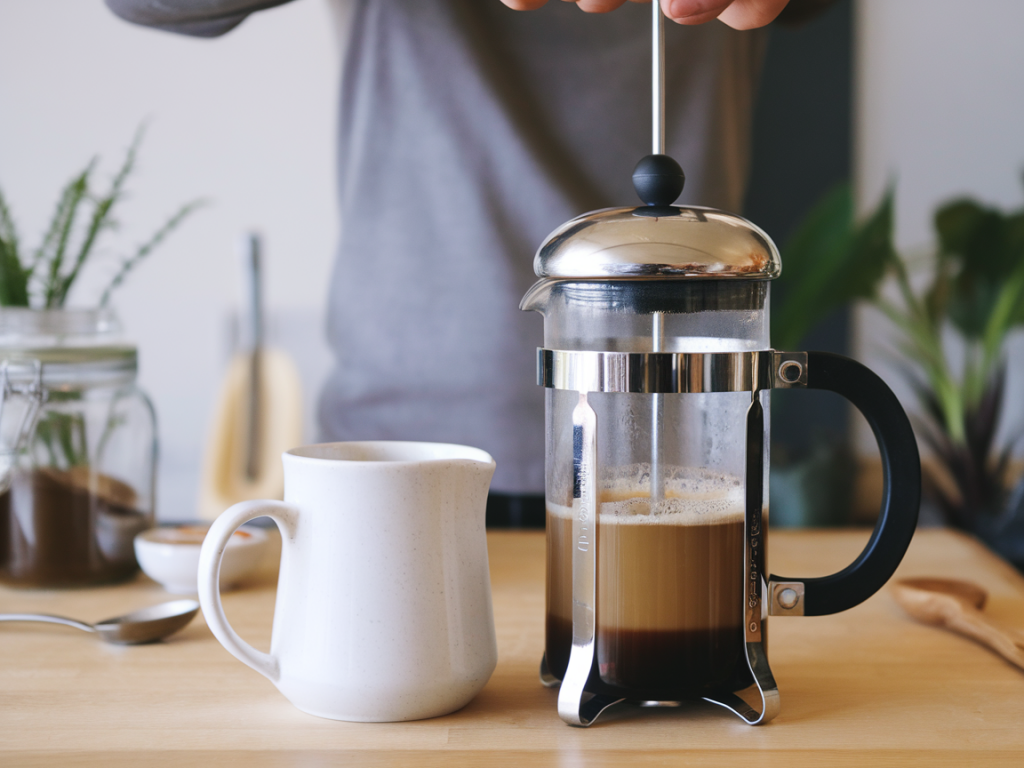
I used to think excellent coffee required a shiny espresso machine, a drawer full of gadgets, and a barista apprenticeship. Over time I discovered that the true difference between a so-so cup and a café-worthy one lies in a few small habits—better beans, consistent ratios, and attention to water and time—rather than expensive equipment. Here are the practical steps and clever hacks I use to brew café-quality coffee at home without splurging on gear.
Start with good beans (and treat them well)
You can’t make great coffee from average beans. I buy whole-bean coffee from local roasters or small online shops and look for roast dates—fresh is best within about two to three weeks of roast for most filter coffee. Single-origin beans often show interesting flavours; blends are great if you want consistency.
Once home, store beans in an airtight container away from heat, light, and moisture. I avoid the freezer for daily drinking—condensation can ruin flavour—unless I’m buying in bulk and will store long term. When in doubt, buy smaller amounts more often.
Grind matters, even without a grinder
Grinding just before brewing preserves aroma. A burr grinder is ideal, but if you don’t have one, try these alternatives:
Here’s a quick guideline for grind sizes by method:
| Method | Grind |
| French press | Coarse, like sea salt |
| Pour-over / improvised filter | Medium, like table salt |
| Moka pot | Fine-medium, slightly finer than table salt |
| AeroPress | Variable—medium to fine depending on recipe |
Use good water (the silent ingredient)
Coffee is mostly water—so water quality and temperature matter. Tap water can be fine if it tastes good on its own. If your water is very hard or has a noticeable taste, use filtered water.
Temperature: aim for water between 92–96°C (197–205°F). I’ll heat water to a boil and let it sit for 30 seconds if I don’t have a thermometer. Slightly cooler water highlights sweetness; hotter water extracts more bitterness.
Simple ratios that work every time
Consistency beats guessing. I use a ratio that many baristas recommend: 1:16 coffee to water by weight (for example, 15–18 g coffee to 250–288 g water). If you don’t have a scale, use tablespoons—about 1 heaped tablespoon (~7–8 g) per 120–150 ml water. It’s less precise but good enough for daily use.
Brewing methods that don’t require fancy gear
You can make café-quality coffee with common household items. Here are my favourite low-equipment methods and how I tweak them for better results.
Improvised pour-over (filter cone without a dripper)
Tools: a heatproof mug or jug, a paper filter or a clean kitchen cloth, a kettle (a spout helps, but not essential).
Slow, steady pouring and giving the coffee time to bloom yields clearer flavours and aroma.
French press—easy and rewarding
Tools: French press or any jar with a fine-mesh strainer.
The French press gives body and rich texture—if your cup tastes muddy, try a slightly coarser grind or pouring the coffee through a paper filter after pressing to clarify it.
Moka pot for espresso-like intensity
Tools: Moka pot (inexpensive and common in many kitchens).
Moka delivers a concentrated, robust cup—great with milk or as the base for a creamy latte made at home.
AeroPress hacks without a scale
The AeroPress is compact and forgiving. If you have one, try the inverted method for fuller extraction: place the plunger against the top, add coffee and water, steep 1–2 minutes, then flip and plunge. Use medium-fine grind and experiment with steep times to balance brightness and body.
Frothing milk without a steamer
You can get café-style texture with simple methods:
Taste, tweak, repeat
Coffee brewing is part science, part personal preference. When a cup isn’t right, tweak one variable at a time:
Small upgrades that make a big difference
A few inexpensive additions I recommend:
Cleaning and care
Clean equipment regularly—old oils and coffee residue create off-flavours. Rinse filters, empty grounds promptly, and give your grinder and press a weekly deep clean. A clean brewing kit preserves clarity and the true flavours of your beans.
One of my favourite rituals is experimenting with a small coffee bag of single-origin beans, dialing in the grind and timing until flavours sing. The process is slow and deliberate in a way that I find comforting—coffee becomes a daily moment of curiosity, much like the small discoveries I love writing about. With attention and a few simple tools, you can bring coffee-shop quality into your kitchen without breaking the bank.