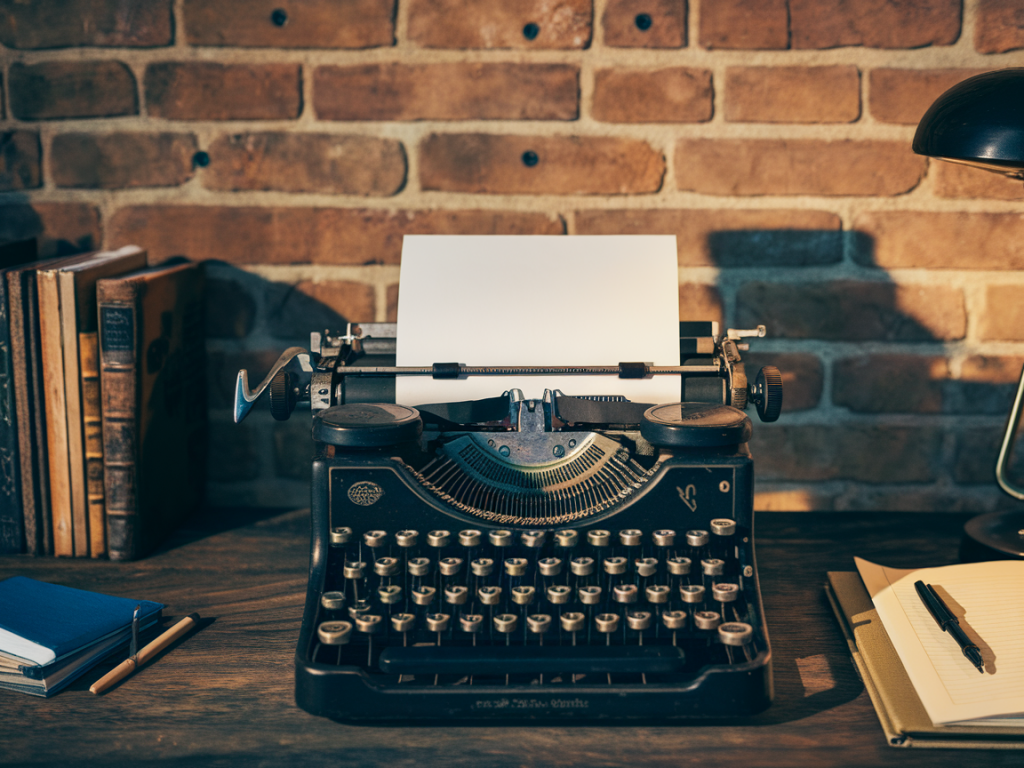
I still remember the smell of my grandmother’s kitchen: lemon oil, baking cinnamon, and a faint trace of old wooden cupboards. That scent can transport me back to a summer afternoon in seconds — a little flicker of memory that feels warm, coherent, and oddly comforting. That feeling is nostalgia, and recent research suggests it's far more than a sentimental mood. It’s a cognitive tool we can use, deliberately, to spark new ideas.
What exactly is nostalgia?
Nostalgia used to be framed as a melancholy wistfulness, but psychologists today define it more positively. It’s a sentimental longing for the past that combines specific memories with strong emotions. Rather than being merely wistful, nostalgia often produces feelings of social connectedness, meaning, and positivity.
Neuroscientists have begun to map nostalgia onto brain circuits involved in memory, emotion, and reward. When we retrieve a nostalgic memory, regions like the hippocampus (memory), the amygdala (emotion), and the ventral striatum (reward) light up. That overlap explains why nostalgic recollection feels vivid, emotional, and—even more interesting—motivating.
Why does nostalgia matter for creativity?
Creativity thrives on combining existing ideas in new ways. Nostalgia gives us richly textured, emotionally charged material to remix. Instead of starting from a blank slate, we begin with a memory that’s already layered with sensory detail, personal meaning, and narrative. That makes it a potent seed for creative work—whether you’re writing, designing, cooking, or inventing.
Here are a few science-backed reasons nostalgia helps creative thinking:
Boosted mood and motivation: Nostalgic recollection activates reward pathways, increasing positive affect. Positive mood broadens thought-action repertoires and improves associative thinking—key ingredients for divergent creativity.Enhanced sense of continuity: Nostalgia connects past and present self, giving a sense of coherence. That perceived continuity reduces anxiety and cognitive load, freeing mental resources to explore divergent ideas.Richer sensory detail: Nostalgic memories are sensory-rich. That vividness supplies imagery and metaphors you can use in creative tasks.Social scaffolding: Nostalgia often involves people—family dinners, friends on a road trip. Those social schemas offer archetypes, dialogues, and relationships you can repurpose in storytelling or design work.How do people actually use nostalgia to generate ideas?
When I’m stuck, I don’t force blank-page creative pressure. I wander into the past instead. Here are methods I’ve tried and that research supports:
Memory-triggered freewriting: Pick a specific nostalgic cue—a song, smell, object—and spend 10 minutes freewriting everything it brings up. Don’t judge; harvest phrases, scenes, or odd details.Object remixing: Take a nostalgic object (an old camera, a childhood toy) and brainstorm modern reimaginings. For instance, I once reworked a childhood postcard collection into a concept for an illustrated travel newsletter—old postcards became prompts for micro-stories.Cross-era collage: Combine elements from different decades. Mix a 1970s design motif with a current tech product idea. The juxtaposition often triggers unexpected, useful ideas.Social nostalgia sessions: Invite friends for a “remember when” conversation focused on sensory details, then map surprising phrases onto your creative brief. Group nostalgia can produce collective imagery you couldn’t access alone.Practical exercises to turn nostalgia into creative fuel
The following are simple, repeatable exercises you can use when you need a creativity boost. Each one is designed to be short and reproducible.
5-5-5 Sensory Prompt: Spend 5 minutes listing 5 smells, 5 sounds, and 5 small visuals from a memory. Then pick one combination (for example: cinnamon + rain + cracked vinyl) and write a 100-word scene around it.Object Reinvention (10 minutes): Choose an object from your childhood. List its functions and feelings. Now write 10 ways that object could be adapted for today’s life. Don’t censor—one outrageous idea can seed a real one.Playlist Problem-Solving: Make a playlist of songs that feel nostalgic to you. While listening, brainstorm solutions to a creative problem. The music often loosens rigid thinking and surfaces associative leaps.Scrapbook Prompt Chain: Flip through old photographs or postcards. Pick an image and write 3 questions about it. Use those questions to prompt a short piece of writing or a design thumbnail.When does nostalgia hinder creativity?
It’s not always a creative panacea. Nostalgia can sometimes trap us in idealized reconstructions—repeating what felt safe rather than pushing forward. Here are pitfalls to watch for:
Rose-tinted repetition: If your nostalgic impulses only replicate old forms, you’ll produce derivative, not innovative, outcomes. Intentionally add constraints (new medium, different audience) to force novelty.Escapism: Using nostalgia to avoid current challenges can stall progress. If the mood becomes avoidance, switch to an action-based task (prototype, sketch, test) to re-anchor your creativity.Overly sentimental bias: Design choices anchored in personal nostalgia might not translate to broader audiences. Test nostalgic concepts with others early to see what resonates.Tools and products that help cultivate purposeful nostalgia
Some modern tools are surprisingly effective at surfacing useful nostalgia:
Spotify or Apple Music: Use algorithmic “retro” playlists to cue era-specific memories quickly.Photo-scanning apps (Google Photos, Photomyne): Digitize old photos to build visual prompt banks for mood boards or writing prompts.Analog objects: Keeping a small box of tactile items—postcards, ticket stubs, fabric swatches—works wonders in bringing sensory detail back into the foreground.Notion or Evernote: Create a “nostalgia vault” where you store snippets: smells, phrases, images. Over time it becomes a rich repository of creative prompts.How I use nostalgia in my own work
When I write for Discoverblog Co, I often begin with a memory and ask: what curious detail in this recollection matters? For a recent piece about seaside towns, I started with a childhood memory of sticky ice cream and a faded pier ticket. Those images became metaphors for impermanence and small rituals—angles that readers responded to more than a straight history would have.
Another trick I use is “temporal remixing.” I pair a nostalgic scene with an anachronistic element (a smartwatch on a Victorian wrist, a cassette tape that streams). The cognitive dissonance jolts associative pathways and often produces an original hook.
If you’re curious to experiment, try this now: pick one small nostalgic detail—an aroma, a song lyric, a color—and spend five minutes listing what it reminds you of. Then deliberately reframe one of those reminders as if it belonged to someone else: a child in 2050, or an inhabitant of a city you’ve never visited. That subtle shift from “me” to “other” is often all it takes to turn warm memory into fresh idea.