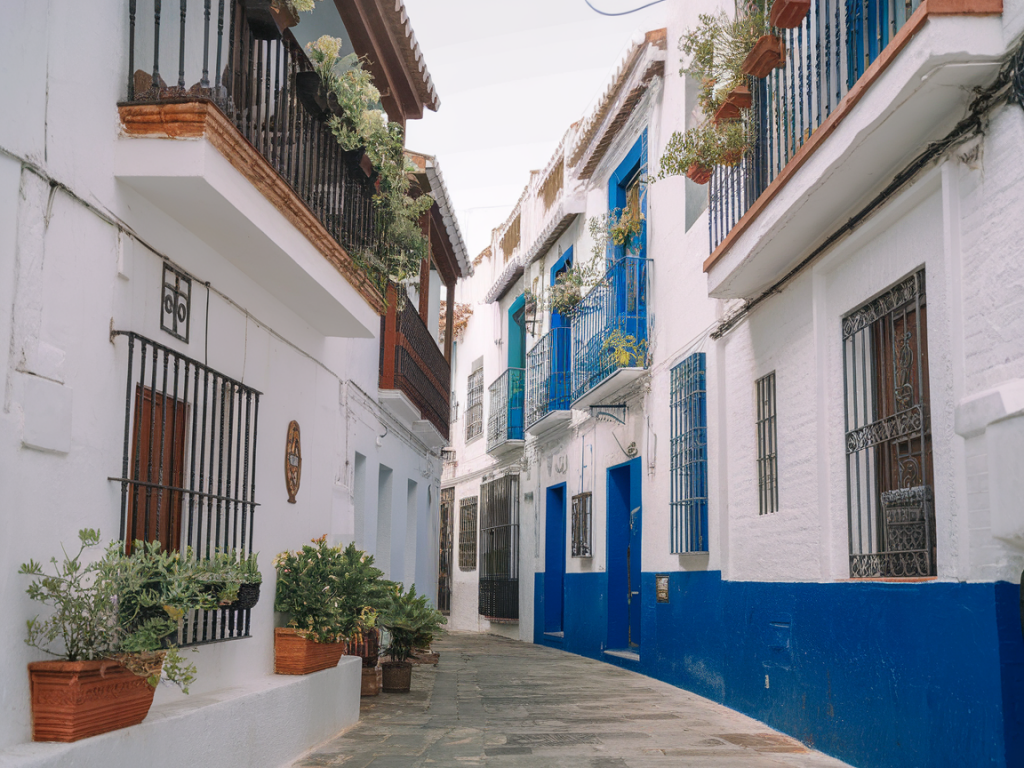
I fell for Seville the way you fall for a song you can’t stop humming: slowly, quietly, and then all at once. If you’re tempted to race through the city’s highlights like a checklist, I’d like to invite you to do the opposite. This is a 48-hour slow travel guide to Seville that deliberately sidesteps the obvious tourist traps — no queueing for hours at the Giralda, no interminable waits to enter the Alcázar at peak time. Instead, I’ll share a gentle itinerary that focuses on rhythm, small discoveries, and moments that feel like the city revealing itself to you.
Getting oriented (and how to move)
Seville is compact and wonderfully walkable, which is a gift when you want to slow down. I recommend staying in one of the neighbourhoods just outside the frantic center — Triana for pottery and riverfront life, or Alameda for a younger, bohemian vibe. Both give you easy access to the old town while offering a quieter base.
To get around:
Walk whenever possible — streets like Calle Feria and the lanes around Santa Cruz are meant to be discovered on foot.Use local trams and buses for longer stretches; buy a 24-hour Tussam pass if you plan to hop around. The app Moovit works well here.For one relaxed river-side moment, take a short taxi or a 20–30 minute walk to Triana and cross the Isabel II bridge on foot.Day one — a morning of markets and a slow afternoon
Start the day like a local: with coffee, a tostada, and a sense of leisure. My favorite ritual here is a late breakfast at a small café near the Alameda, where you can watch Sevillanos stroll with their dogs and newspapers.
Morning — Mercado de Feria
Head to Mercado de Feria. It’s an authentic weekly market (and also a covered market) where stalls sell everything from fresh produce to second-hand books. I love grazing the tapas counters and buying a small jar of local olives to take home.Spend time at the bar rather than the sit-down restaurants — you’ll chat with vendors and get the best tips on what’s genuinely seasonal.Afternoon — Barrio Santa Cruz at a walking pace
Avoid the busiest tourist alleys and instead wander the quieter edges of Santa Cruz. Peek into little patio courtyards and stop at a ceramic shop in one of the backstreets; Triana ceramics make for beautiful, tactile souvenirs.For lunch, choose a small family-run taberna. Look for places where the locals stand at the bar — that’s where you’ll find the best montaditos and calamari sandwiches without the tourist markup.Late afternoon — Siesta-friendly choices
Seville’s heat invites a pause. I often retreat to a small museum or a lesser-known palace like the Casa de Pilatos which blends Mudejar, Gothic and Renaissance styles but draws fewer crowds than the Alcázar.Alternatively, take a slow stroll in the María Luisa Park. Sit by the fountains and let the city’s pace slow to a whisper.Evening — a quieter tapas crawl
Rather than the hectic streets around the Cathedral, do a tapas crawl in La Alameda or the backstreets of Triana. Bars like Bar La Fresquita are known to locals but still feel intimate. Order a few tapas and a small bottle of fino or manzanilla and taste slowly.Day two — riverside life and lesser-known cultural gems
If day one is about easing in, day two is about savoring the city’s textures: river light, tilework, tiny cafés and music heard from a doorway.
Morning — Triana and pottery
Start in Triana. Cross the Isabel II bridge in the soft morning light and wander the Calle Betis riverfront. The ceramic workshops here are centuries-old; many will welcome you in, and you can watch artisans paint tiles by hand.Visit the Centro Cerámica Triana for a calm, fascinating look at the craft’s evolution.Midday — slow lunch and a cooking demo
Book a slow lunch where the food is made with care. I recommend a place that offers small-course menus — a sequence of well-made, seasonally-driven dishes is the Spanish answer to mindful eating.If you love food, seek out a short cooking demo or a home-cook experience (book on platforms like Airbnb Experiences or local cooking schools). Making a simple salmorejo or learning to debone an anchovy felt like a private lesson in Andalusian life for me.Afternoon — indie museums and quiet squares
Instead of the packed main museums, head to CAAC (Centro Andaluz de Arte Contemporáneo) on the Isla de la Cartuja for contemporary art in a cool former monastery — peaceful and full of surprises.Spend time in small plazas like Plaza de Doña Elvira, where a cafe table and a good book make for a restorative hour.Late afternoon — sunset along the Guadalquivir
For a gently cinematic moment, walk along the Guadalquivir as the light softens. The city takes on a golden hue and the riverbanks feel almost private. Bring a small picnic of cold jamón, manchego and a bottle of cava, or stop at a riverside bar for a glass.Evening — music and local life
Skip the tourist flamenco shows and look for intimate tablaos or small venues where local musicians play. Places around Alameda de Hércules host jazz and flamenco nights that feel communal rather than performative. I once spent an evening at a tiny venue where I could see the dancers’ sweat and the musicians’ smiles — that memory lasts far longer than a staged performance.Practical tips for slow travel in Seville
Timing matters: arrive early at any place you do want to see and aim to visit main sights either first thing or late in the afternoon to avoid crowds and heat.Wear comfortable shoes and a hat in summer — many streets are cobbled.Learn a few Spanish phrases: a simple “buenos días,” “gracias,” and “una caña, por favor” goes a long way.Keep cash for small bars and markets; many places still prefer it for small bills.Respect local rhythms: lunch is late (2–4pm), dinner after 9pm in the high season; adopt that relaxed meal schedule and you’ll fit in better.Two days are never enough to know a place fully, but moving slowly lets you accumulate a small, honest collection of moments — a plate you loved, a smile from a ceramist, a riverbank at sunset. Seville rewards the curious and the patient; go with time to notice, and the city will give you its quieter treasures.