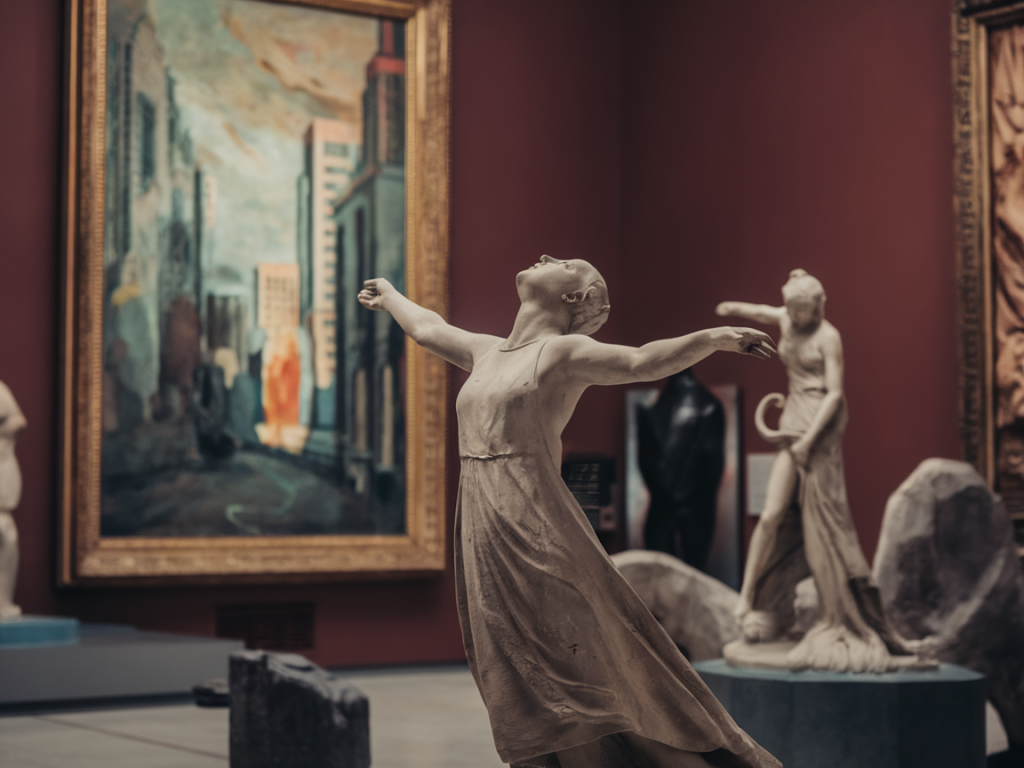
I love museums that feel like secret rooms in a city — the kind you stumble into and then slow down, noticing small details you wouldn’t have expected. If you hate crowds but still want the concentrated joy of seeing curious objects, intimate stories and surprising collections, Europe has a sweet spot of underrated museums that reward slow exploration. Below I share some of my favourite under-the-radar spots and practical tips for visiting them without feeling squeezed by tour groups.
Why seek out small or overlooked museums?
Big-name museums are brilliant for blockbuster works, but they also come with a certain elbow-to-elbow energy that dampens curiosity. In smaller museums you get time to linger, a quieter atmosphere to read labels, and often a personal touch from staff or the building itself — house museums and specialist collections tend to preserve a mood that large institutions struggle to hold. For a curious traveller who hates crowds, these places are gold.
My picks for underrated museums in Europe
Below are museums I’ve visited that consistently feel intimate, distinctive, and — importantly — not overrun. I include what I loved most about each and how to time the visit.
Housed in the former home of the neo-classical architect Sir John Soane, this place is an architect’s dream and a collector’s curiosity cabinet. The rooms are packed with classical fragments, paintings, models and the famously preserved sarcophagus. Because admission is timed and the rooms are small, the atmosphere is almost reverential; you really get to absorb the odd juxtapositions Soane created.
Best time: Book the earliest slot. Tip: allow time to sit in the courtyard; it’s one of those surprisingly peaceful London pockets.
Joaquín Sorolla’s former house and studio is bathed in light and full of warm, intimate paintings. The gardens are as much a part of the visit as the canvases; the place feels like stepping into an artist’s private life. It’s centrally located but rarely crowded compared with Madrid’s big museums.
Best time: Late morning on a weekday. Tip: combine with a quiet stroll through the nearby Chamberí neighbourhood.
Small, brilliantly curated, and emotionally honest, this museum collects donated objects tied to ended relationships. It’s pop-culture famous enough to attract visitors but never feels like a crush of people. The displays are thoughtful and often surprisingly moving — perfect for anyone who likes narrative-driven collections.
Best time: Off-peak afternoons. Tip: read items slowly; many are short, poetic stories that reward time.
Set in a 19th-century mansion, Jacquemart-André is a richly decorated private collection of Italian and French paintings with the feel of an aristocratic home. It’s more intimate than the Louvre and lets you observe masterworks without queuing for every room.
Best time: Early weekdays or just before closing. Tip: the tearoom is a lovely pause — it feels like stepping back into the Belle Époque.
Rome’s major sites hog attention, but Villa Giulia offers a concentrated look at Etruscan art and daily life — funerary objects, bronze work, pottery — in a pleasant Renaissance villa setting. I love how the museum contextualises ancient domestic life; it’s calm and surprisingly intimate.
Best time: Early in the morning. Tip: combine with a relaxed walk through the adjacent park once you’ve finished the galleries.
Technically a national open-air museum rather than a single building, St Fagans is a sprawling collection of relocated historical houses with crafts demonstrations and small exhibition spaces. It’s rarely packed like a city museum and you can drift from cottage to cottage at your own pace.
Best time: Weekdays or off-season weekends. Tip: wear comfortable shoes — the site is larger than it looks.
While Florence’s Duomo complex draws big crowds, the Museo dell'Opera is less hectic and houses original sculptures removed from the cathedral for preservation. Seeing Michelangelo’s early pieces and Donatello’s work in quieter rooms makes for a more contemplative experience than the cathedral plaza.
Best time: Later afternoon. Tip: skip the rushed cathedral queues and book a museum slot to experience the art more peacefully.
How I avoid crowds — practical tips that actually work
I travel for the slow pleasures of noticing, so I’ve refined a few tactics for steering clear of tourist crushes while still seeing great collections.
What I pack for a relaxed museum day
For me, the difference between a rushed visit and a leisurely one is how prepared I am. My pocket essentials:
Quick reference table
| Museum | City | Why it’s quiet |
| Sir John Soane’s Museum | London | Timed entries, small rooms |
| Museo Sorolla | Madrid | House museum, residential area |
| Museum of Broken Relationships | Zagreb | Intimate, narrative-driven |
| Musée Jacquemart-André | Paris | Mansion format, boutique size |
| Villa Giulia (Etruscan Museum) | Rome | Focused archaeological collection |
| St Fagans | Cardiff | Spread-out outdoor site |
| Museo dell'Opera del Duomo | Florence | Less tourist traffic than cathedral itself |
If you’re planning a trip, I’m always curious which places readers discover themselves. On Discoverblog Co (discoverblog.co.uk) I try to highlight small cultural corners like these precisely because they let you breathe and think — and because they often hide the most telling objects. Happy, uncrowded museum-hunting.